
For a small island, Sri Lanka has remarkable biodiversity. You’ll find elephants, leopards, sloth bears, and over 400 bird species across various ecosystems. The country has 26 national parks, multiple rainforest reserves, and marine sanctuaries. Whether you’re serious about wildlife photography or just enjoy nature, there’s plenty to see.
National Parks: Where to Spot Big Animals
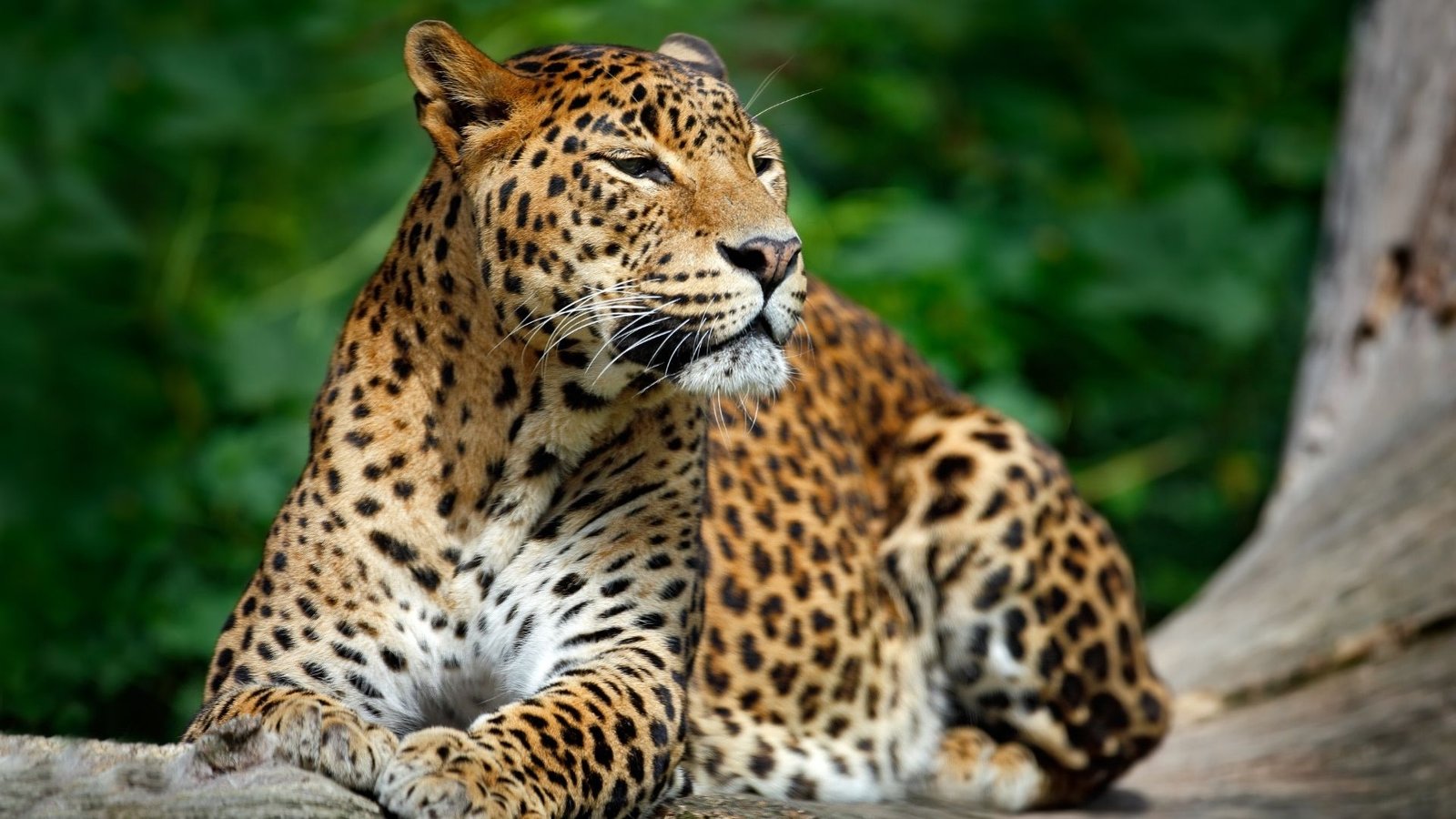
Yala National Park is the most visited, known for having one of the highest leopard densities in the world. Early morning safaris give you the best chance of seeing these elusive cats. The park also has elephants, crocodiles, and sloth bears. Block 1 gets crowded, but it’s where most leopard sightings happen.
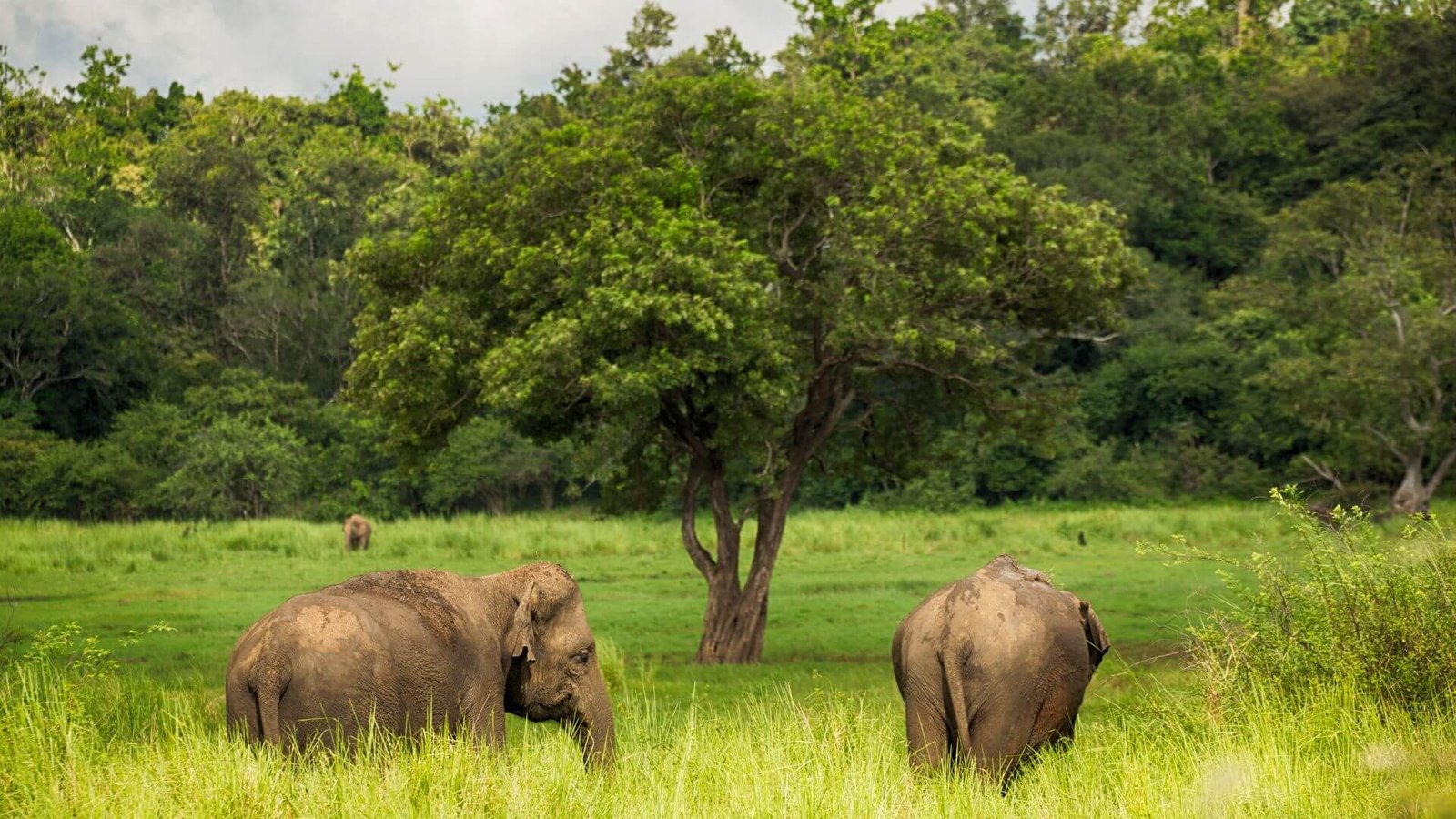
Udawalawe National Park focuses on elephant watching. Herds gather near the reservoir, and sightings are almost guaranteed. The landscape is more open than Yala, making animals easier to spot. It’s a better choice if elephants are your priority.
Wilpattu National Park is less crowded than Yala but equally good for leopards. The park has natural lakes called “villus” where animals come to drink. It’s more remote, which means fewer jeeps competing for wildlife sightings.
Rainforest Reserves
Sinharaja Forest Reserve is a UNESCO World Heritage site and the island’s last remaining primary rainforest. It’s dense, humid, and full of endemic species. Over 60% of the trees here are native to Sri Lanka, and many are found nowhere else.
Bird watchers come here for endemic species like the Sri Lanka blue magpie, red-faced malkoha, and Ceylon drongo. You’ll also see purple-faced langur monkeys and various reptiles. Leeches are common during wet months, so wear long pants and check yourself regularly.
Knuckles Mountain Range offers a different forest experience. The terrain is rugged with cloud forests, grasslands, and streams. It’s cooler than lowland rainforests and has excellent hiking routes. Wildlife includes sambhur deer, purple-faced langur, and endemic frogs.
Elephant Gatherings
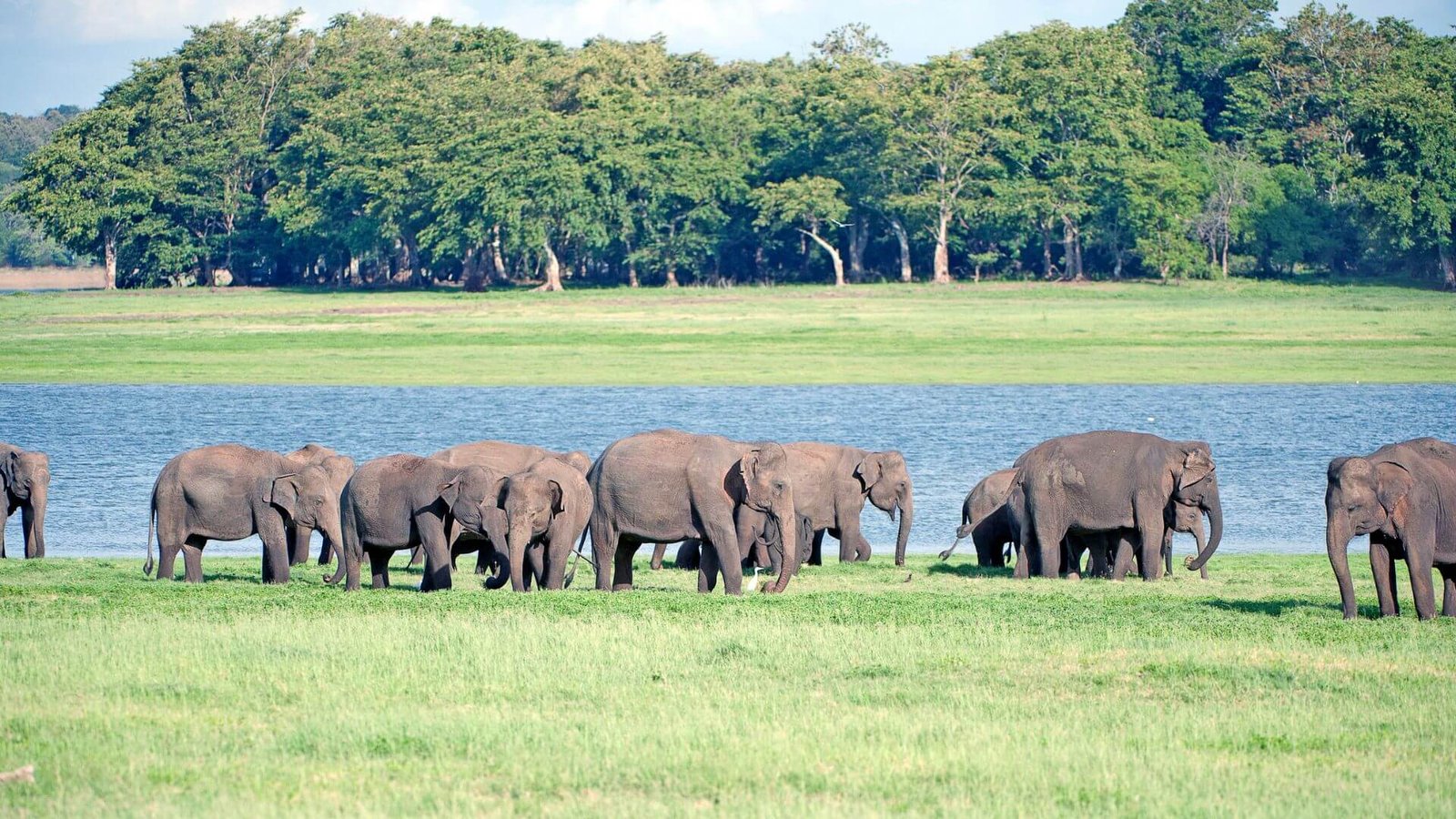
Minneriya National Park hosts “The Gathering” between July and September. Hundreds of elephants congregate around the reservoir during dry season, creating one of Asia’s largest elephant gatherings. Watching them interact, bathe, and feed is spectacular.
Kaudulla National Park serves a similar function when Minneriya dries up. Elephants move between these parks depending on water availability. Local guides know which park is better on any given day.
Marine Life and Whale Watching
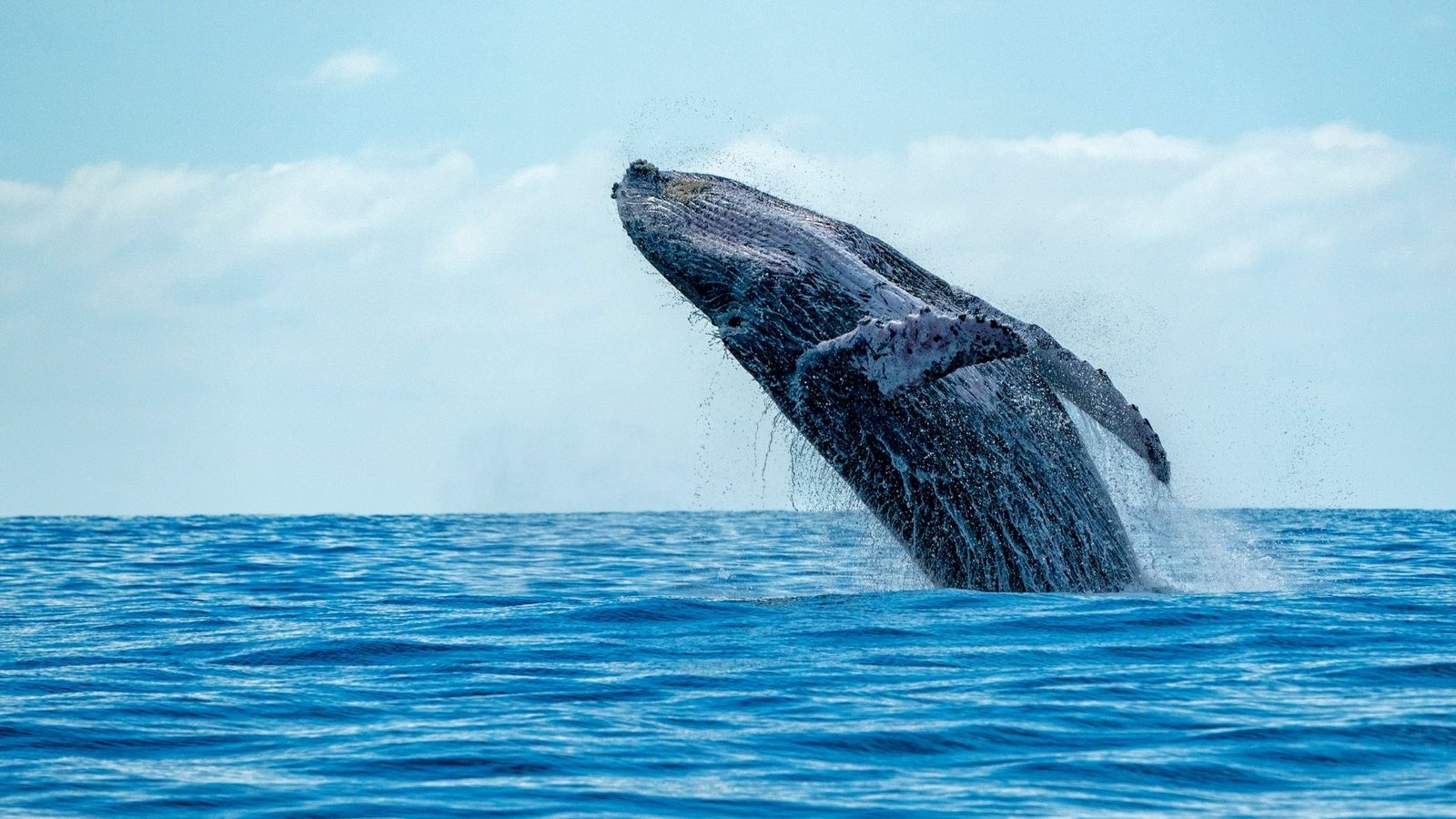
Mirissa is the main departure point for whale watching. Blue whales and sperm whales pass through these waters from November to April. Dolphin pods are common year-round. Tours leave early morning and last about 4-5 hours.
The continental shelf is close to shore here, bringing deep-sea creatures near the coast. Success rates for whale sightings are high during peak season, though ocean conditions vary.
Trincomalee on the east coast offers whale watching from March to August when the west coast is rough. This gives year-round opportunities depending on which coast you visit.
Bird Watching Across Different Zones
Sri Lanka has 34 endemic bird species, making it a hotspot for serious birders. Bundala National Park near Hambantota attracts migratory water birds from November to March. Flamingos, pelicans, and various waders gather in the lagoons.
The hill country around Nuwara Eliya and Horton Plains has montane species. The Sri Lanka whistling thrush, yellow-eared bulbul, and dusky-blue flycatcher live at these elevations. Early morning walks produce the most sightings.
Wetlands like Muthurajawela near Colombo are good for water birds without traveling far. Purple herons, painted storks, and various kingfishers are common. Boat tours through the marshes get you close to nesting sites.
Endemic Species to Look For
Purple-faced langur monkeys are found only in Sri Lanka and parts of southern India. They’re common in forests and even urban areas. Toque macaques are the most widespread monkey, seen in almost every habitat.
The star tortoise is a beautiful endemic reptile with distinctive yellow markings. They’re endangered due to habitat loss and illegal trade. You might spot them in dry zone forests.
Red slender loris is a small nocturnal primate with huge eyes. They’re difficult to see but live in forests across the island. Night walks in certain reserves give you a chance to spot them.
Best Times for Wildlife Viewing
Dry season (May to September) is best for wildlife in southern and eastern parks. Animals gather around water sources, making them easier to find. The grass is lower, improving visibility.
Wet season (October to January) makes rainforest visits more challenging but also more lush. Some forest trails become slippery, though wildlife is still active.
Yala’s Block 1 closes for September and October during the drought, giving animals a break from safari vehicles. Blocks 2 and 5 remain open.
Safari Logistics and Expectations
Most safaris start at dawn when animals are active. Half-day tours run for about 3-4 hours. Full-day safaris include a break for breakfast inside the park.
Jeeps take up to 6 people, though smaller groups mean more space for photography. Guides communicate with each other about animal locations, which helps with sightings but also creates crowding around popular species.
Leopard sightings are never guaranteed—they’re wild animals, not exhibits. Even in Yala, some days are quiet. Elephants, deer, and birds are almost always visible.
Conservation Context
Human-elephant conflict is a real issue in Sri Lanka. As agriculture expands, elephants lose habitat and crop-raiding increases. Some national parks have electric fences to separate elephants from farmland.
Tourism revenue supports conservation, but it needs to be managed carefully. Overcrowding in popular parks can stress animals. Choosing less-visited parks or going during quieter times helps reduce impact.
Including Wildlife in Your Itinerary
Our tour packages can include safari experiences based on your interests. If you want leopards, we recommend Yala or Wilpattu. For elephants, Udawalawe or Minneriya works better. Bird watchers benefit from combining different elevation zones—wetlands, rainforests, and hill country.
We work with experienced drivers and naturalist guides who know animal behavior and park regulations. They can identify species, explain ecology, and position the vehicle for photography without disturbing wildlife.
Most travelers combine wildlife with cultural sites or beach time. A typical approach is spending 2-3 days in national parks as part of a longer itinerary. This gives you variety without making the trip solely about safaris. Whether you’re a dedicated wildlife enthusiast or casually interested, Sri Lanka’s parks offer experiences worth including in your journey.