
Sri Lanka’s southern coast stretches from Galle to Tangalle, offering a variety of beach experiences. Some are lively with cafes and water sports, others are quiet stretches perfect for relaxation. The coastline includes protected bays, surf breaks, and long sandy beaches backed by palm trees. Understanding what each beach offers helps you choose the right spot.
Unawatuna: The Social Beach
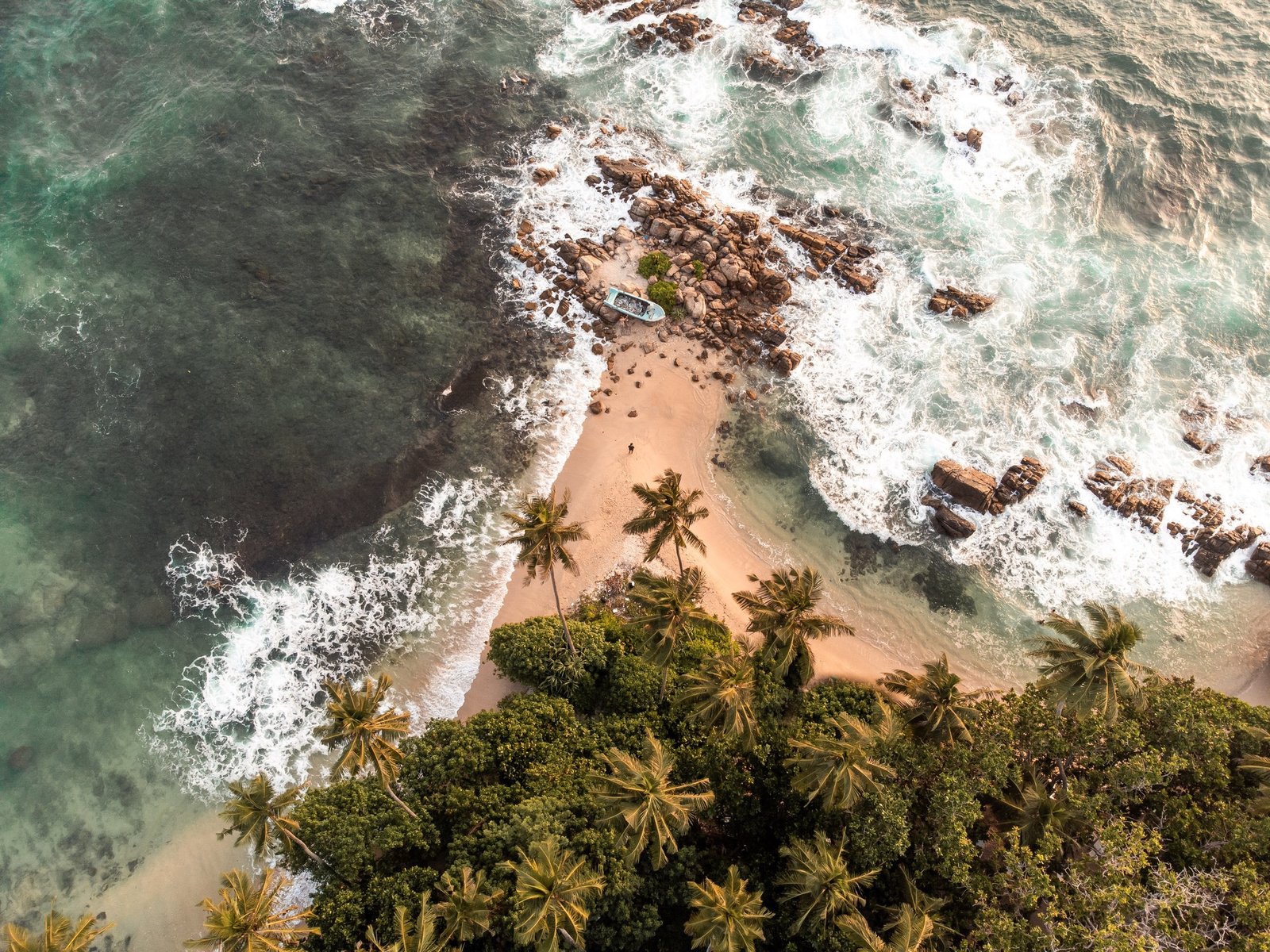
Unawatuna is one of the most developed beaches on the south coast. The crescent-shaped bay has calm water, making it good for swimming. The beach is packed with restaurants, guesthouses, and beach bars. It’s social, convenient, and popular with both backpackers and package tourists.
Snorkeling is possible near the rocks at either end of the bay. You’ll see tropical fish and occasionally turtles. Dive shops offer PADI courses and boat dives to nearby sites.
Weekends and holidays get crowded. The beach has vendors, touts, and a constant buzz of activity. If you want convenience and atmosphere, Unawatuna works. If you prefer quiet, look elsewhere.
Mirissa: Surf, Sand, and Whales
Mirissa combines beach life with whale watching. The main beach has gentle waves suitable for beginner surfers and bodyboarders. Several surf schools operate here with board rentals available.
The beach has a laid-back vibe despite being developed. Beach bars serve food and drinks right on the sand. At night, some places have fire dancers and live music.
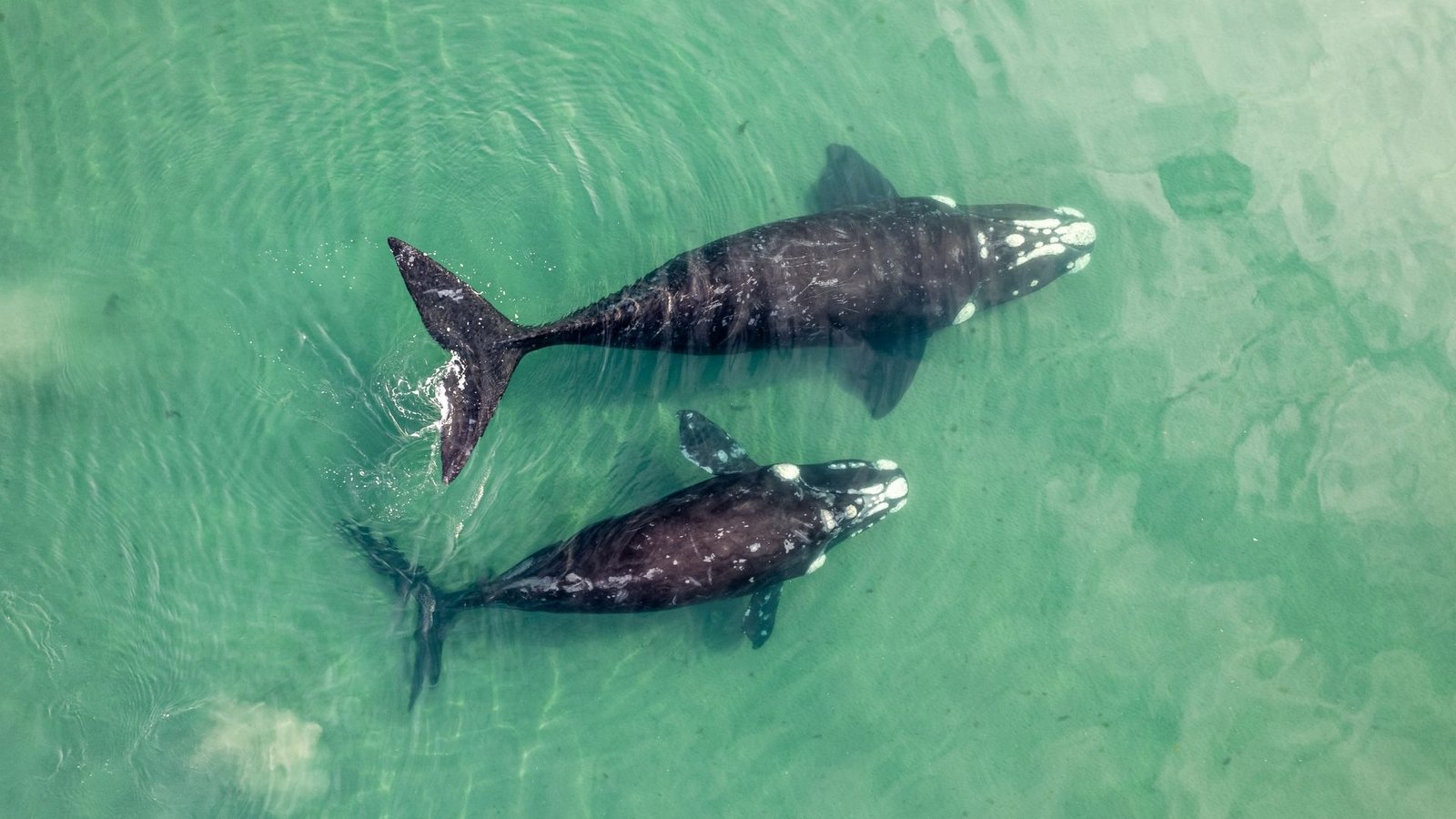
Whale watching boats leave from Mirissa harbor early morning during season (November to April). Book through reliable operators who follow whale-watching guidelines.
Secret Beach
A short walk west brings you to Secret Beach (Parrot Rock Beach), a smaller cove with fewer people. You can climb the rock for photos overlooking the bay. It’s still part of Mirissa but quieter than the main beach.
Weligama: Surf Learning Central
Weligama Bay’s long, wide beach has consistent small waves perfect for learning to surf. The sandy bottom and gentle breaks make it forgiving for beginners. Surf schools line the beach, offering lessons and board rentals.
The bay is large enough that even when busy, there’s space in the water. Fishermen still use traditional stilt fishing here, though it’s become somewhat touristy with paid photo opportunities.
Accommodation ranges from budget guesthouses to boutique hotels. The town has a working fishing harbor, giving it more local character than purely tourist beaches.
Hikkaduwa: Lively and Established
Hikkaduwa has been a beach destination since the 1970s. The long stretch of beach has waves suitable for surfing, though currents can be strong. Several surf breaks cater to different skill levels.
The coral sanctuary near the beach allows snorkeling, though the reef has suffered from tourism impact. Glass-bottom boats take tourists over the coral, though this practice itself damages the ecosystem.
Hikkaduwa town is busy with traffic running parallel to the beach. It’s developed, with lots of restaurants, shops, and nightlife. The scene here is more active than upscale.
Tangalle: Wide and Quiet
Tangalle area has several beaches with different characters. The main town beach is wide with fishing boats. Move east or west from town to find quieter stretches.
Goyambokka Beach is peaceful with a few guesthouses and palm trees. The waves here can be strong—check conditions before swimming. Rekawa Beach nearby is a turtle nesting site. Night walks during season (April to September) let you see turtles laying eggs.
Tangalle feels more remote than western beaches. Development is lower, and the pace is slower. It suits travelers wanting peace over convenience.
Talalla: Remote and Relaxed
Talalla is a small bay between Matara and Tangalle. It’s underdeveloped compared to popular beaches, with just a handful of guesthouses and cafes. The beach is clean, and the bay offers reasonable swimming conditions.
Small surf breaks work for beginners and intermediates. It’s quiet enough that you might have the waves to yourself outside holiday periods. Talalla attracts people wanting to escape busier beaches.
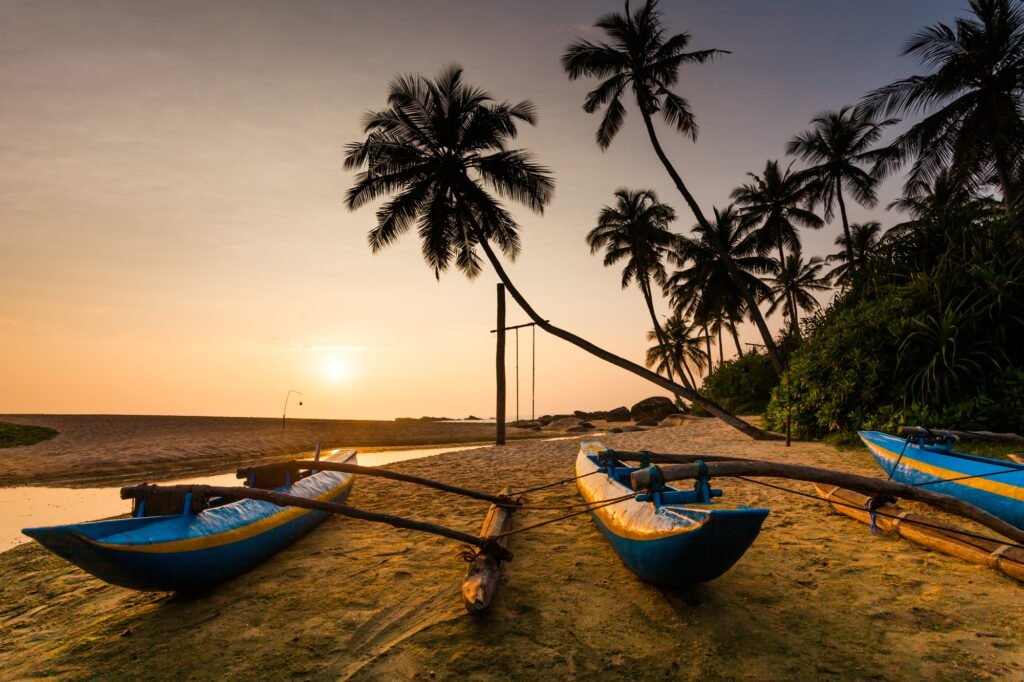
Koggala: Long and Calm
Koggala Beach is a long, straight stretch east of Galle. The beach is wide with strong waves in places. Swimming conditions vary depending on exact location and season.
Koggala Lake behind the beach is worth exploring by boat. Small islands hold temples and cinnamon plantations. Martin Wickramasinghe Museum near the lake covers traditional Sri Lankan life.
The beach area is less touristy than Unawatuna or Hikkaduwa. Development consists mainly of a few hotels rather than continuous beachfront businesses.
Bentota and Beruwala: Family-Friendly Options
Moving north from Galle, Bentota offers calmer water suitable for families. The Bentota River meets the ocean here, creating a lagoon used for water sports. Jet skiing, banana boats, and water skiing are available.
Beach resorts line the coast—this area caters more to package tourists than backpackers. The beaches are clean and maintained, though they lack the character of southern beaches.
Beruwala is nearby with a working fishing harbor. The lighthouse and mosque on the headland make good landmarks. These beaches work for travelers wanting organized facilities and safe swimming.
When to Visit South Coast Beaches
The best beach weather runs from November to April. Seas are calmer, and rain is less frequent. December to February is peak season with higher prices and more crowds.
May to October brings southwest monsoon. Seas are rough, swimming can be dangerous, and some guesthouses close. However, you’ll find fewer tourists and lower prices. Surfers might prefer these months for bigger waves.
Always check local conditions before swimming. Currents and waves vary between beaches and seasons. Ask locals or lifeguards about safety.
Beach Safety
Rip currents are common on south coast beaches. If caught in one, swim parallel to shore until free of the current, then swim back to beach. Don’t fight against it by swimming directly toward shore.
Some beaches have lifeguards, but many don’t. Flags and warning signs are inconsistent. Use common sense—if waves look big or water seems rough, be cautious.
Jellyfish sometimes appear in coastal waters. Stings are painful but rarely serious. Vinegar helps with pain. Avoid swimming after heavy rain when jellyfish numbers increase.
What to Bring
Sunscreen is essential—tropical sun is strong even on cloudy days. Reef-safe sunscreen is better for marine environments. Bring enough from home as local prices are high.
A sarong or light cover-up is useful for walking between beach and accommodation. It also works as a beach towel, picnic blanket, or modest clothing when needed.
Water shoes help on rocky or coral beaches. They also protect against sea urchins in shallow water.
Including Beaches in Your Itinerary
Our tours typically combine cultural sites, wildlife, mountains, and coast. Most travelers spend 3-5 days on beaches after visiting inland areas. This gives you time to relax after active sightseeing.
We can recommend beaches based on your preferences. If you want nightlife and activities, we’ll suggest Mirissa or Hikkaduwa. For quiet relaxation, Tangalle or Talalla works better. Surf learners go to Weligama, while families might prefer Bentota.
Transport between beaches and other destinations is straightforward. The coastal road and railway run parallel to the shore, making travel easy. Whether you want a beach holiday with some culture mixed in, or a cultural tour ending with beach relaxation, we can arrange an itinerary that balances both properly.