Sri Lankan festivals reflect the island’s religious and cultural diversity. Buddhist, Hindu, Muslim, and Christian celebrations happen throughout the year, often marked by processions, lights, and community gatherings. Timing your visit around festivals adds cultural depth to your trip, though accommodation prices rise and crowds increase during major events.
Esala Perahera: The Grand Procession
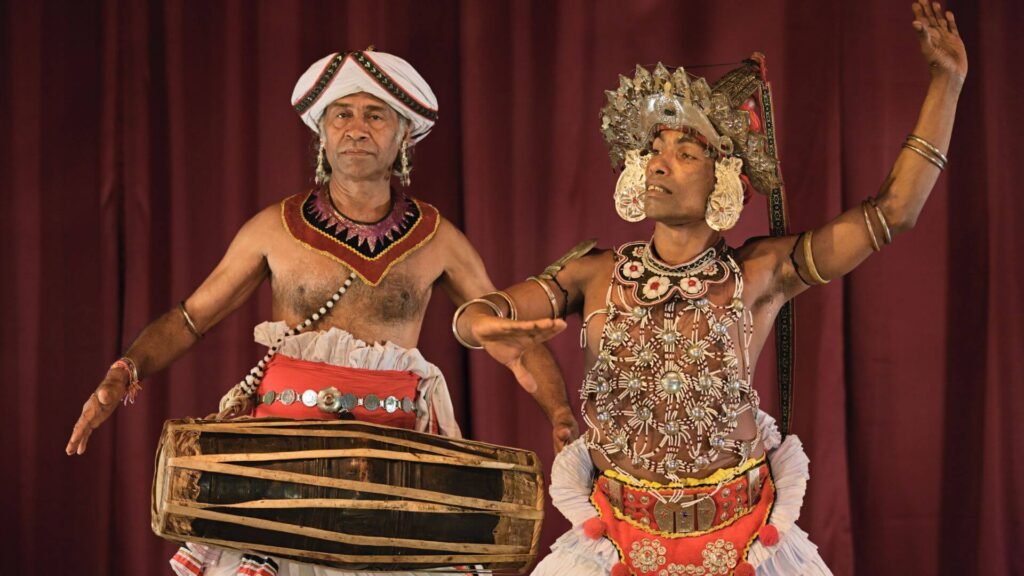
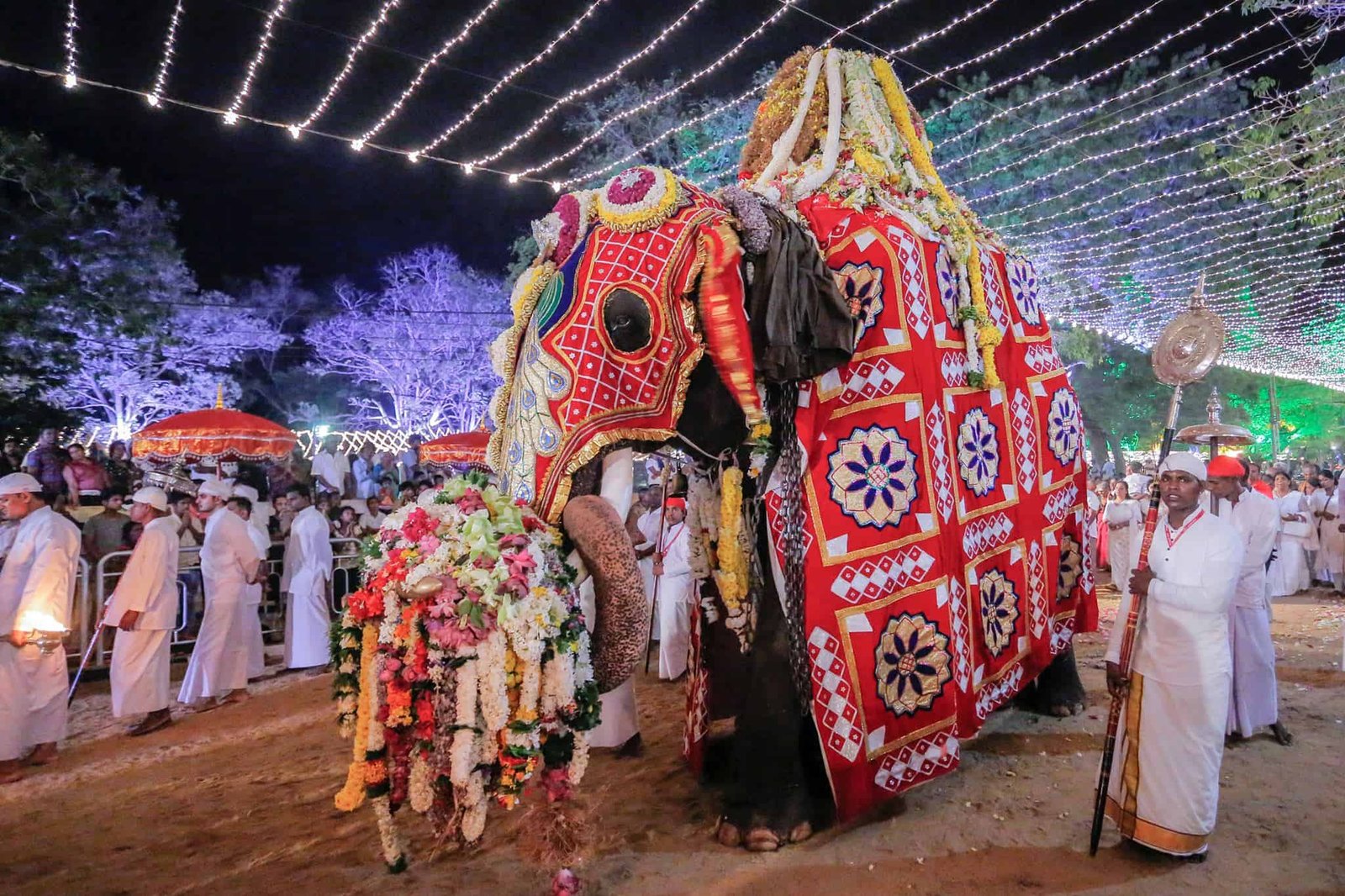
Kandy’s Esala Perahera in July or August is Sri Lanka’s most famous festival. Ten nights of processions feature decorated elephants, dancers, drummers, and fire performers. The Temple of the Tooth Relic organizes the event, honoring the sacred tooth relic with nightly parades that grow larger each evening.
The final night (Randoli Perahera) is the biggest, with over 100 elephants and thousands of performers. Processions start around 8 PM and continue for 2-3 hours. Main streets close to traffic as crowds line the route.
Book accommodation months ahead if attending. Hotels near the procession route charge premium rates. Seating stands along Dalada Veediya offer better views for a fee. Arrive early for good street-side spots.
Respectful Viewing
This is a religious event, not just a show. Dress modestly—cover shoulders and knees. Remove hats when the sacred relic passes. Avoid loud behavior or excessive drinking near the procession.
Vesak: Festival of Lights
Vesak in May celebrates Buddha’s birth, enlightenment, and death. It’s a full moon Poya day (public holiday), so shops close and alcohol sales stop. The festival is marked by decorations, lanterns, and pandals (illuminated structures).
Cities and towns erect elaborate pandals depicting Buddhist stories. Colombo has the largest displays, particularly around Gangaramaya Temple and Beira Lake. Free food stalls (dansalas) line streets, offering meals and drinks to anyone passing by.
The atmosphere is peaceful rather than party-like. Families visit temples, light oil lamps, and walk viewing pandals. Joining a dansala line is acceptable—locals welcome visitors to share in the merit-making.
Thai Pongal: Tamil Harvest Festival
Thai Pongal in January is a major Tamil festival, celebrated particularly in the north and east. It marks the harvest season and honors the sun god. The festival gets its name from “pongal,” a sweet rice dish cooked in milk until it overflows the pot, symbolizing abundance.
Families cook pongal outdoors using new pots. They decorate homes with kolam (rice flour patterns) and sugarcane stalks. In rural areas, cattle are decorated and honored for their role in farming.
Visiting Jaffna or the east during Pongal shows you Tamil culture at its most festive. Temples hold special ceremonies, and the community atmosphere is welcoming.
Sinhala and Tamil New Year
Mid-April brings the traditional New Year, celebrated by both Sinhalese and Tamils. It’s based on the sun’s movement between zodiac signs, marking the end of harvest season.
The exact time the New Year begins is calculated by astrologers. Before that moment, there’s a “neutral period” when people avoid work, cooking, or transactions. Once the auspicious time arrives, families light the hearth, cook milk rice, and perform rituals for prosperity.
Expect everything to close for several days. Banks, shops, and restaurants shut down as people return to family homes. Tourist areas stay open, but the country essentially pauses. Traditional games, visiting relatives, and feasting fill the holiday.
Poson: Buddhism’s Arrival
Poson in June commemorates Buddhism’s introduction to Sri Lanka. Anuradhapura and Mihintale see major gatherings as pilgrims climb Mihintale Mountain where Buddhism first took root.
White-clad devotees walk barefoot up the mountain, visiting shrines along the way. The atmosphere is devotional but also social, with families making the climb together. Temporary stalls sell food, drinks, and offerings.
If you’re in Anuradhapura during Poson, consider joining the climb. It’s steep but manageable. Starting early avoids heat and crowds. Dress in white if possible—it’s traditional but not required for visitors.
Duruthu Perahera
January’s Duruthu Perahera at Kelaniya Temple near Colombo is smaller than Kandy’s but still impressive. The procession celebrates Buddha’s first visit to Sri Lanka. Elephants, dancers, and drummers parade around the temple.
Being closer to Colombo makes this more accessible than traveling to Kandy. The festival atmosphere is similar, though the scale is smaller. It’s a good option if you miss Esala Perahera but want to see a traditional perahera.
Nallur Festival in Jaffna
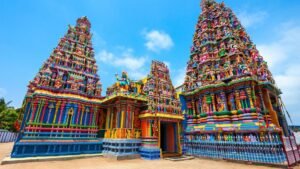
Jaffna’s Nallur Kandaswamy Temple hosts a 25-day festival in July-August. Each day has processions with decorated chariots, kavadi dancers, and fire-walking ceremonies. The final day is most spectacular.
The festival is deeply important to Jaffna’s Tamil Hindu community. Pilgrims come from across the north and from overseas. The temple area fills with vendors, food stalls, and worshippers.
Watching is fine, but understand this is an active religious event. Photography inside the temple may be restricted. Ask before taking pictures, especially of rituals or participants.
Ramadan and Eid
Muslim communities, particularly on the east coast and in Colombo, observe Ramadan with daytime fasting. Iftar (breaking fast) happens after sunset, and mosques organize community meals.
Eid-ul-Fitr marks Ramadan’s end with prayers, feasting, and gifts. Homes are cleaned, new clothes worn, and special foods prepared. In areas like Kattankudy or Batticaloa, the celebrations are visible and vibrant.
Respect fasting hours when in Muslim areas—avoid eating publicly during daylight in Ramadan. Businesses may adjust hours, opening late and staying open later in the evening.
Christmas in Sri Lanka
Christian communities celebrate Christmas with church services, carols, and decorations. Colombo’s commercial areas put up lights and displays. Negombo, with its large Catholic population, has particularly festive celebrations.
Midnight mass on December 24th fills churches. The atmosphere is joyful, with music and community gatherings. Hotels often offer special Christmas dinners, though this is more for tourists than traditional.
Vel Festival in Colombo
Colombo’s Vel Festival in July or August honors the Hindu war god Murugan. A chariot carrying a vel (sacred spear) is pulled through the streets from one kovil (temple) to another. The procession route passes through Bambalapitiya and Wellawatta, areas with significant Tamil populations.
Devotees pull the chariot, fulfilling vows or seeking blessings. The multi-day festival includes devotional singing, food stalls, and temple ceremonies. It’s very accessible since it happens in Colombo.
Planning Around Festivals
Major festivals mean higher accommodation costs and crowded attractions. Book well ahead if you want to attend Esala Perahera or be in Jaffna during Nallur Festival. Some travelers prefer avoiding peak festival times to maintain lower costs and easier logistics.
Poya days (full moon) are monthly Buddhist holidays when alcohol sales stop and many businesses close. Always having a backup plan helps if you arrive somewhere during unexpected closures.
Including Festivals in Your Tour
We can build itineraries around specific festivals if you’re interested. Timing needs to be precise since dates shift based on lunar calendars. We monitor festival calendars and can advise if your travel dates align with anything significant.
Attending festivals requires flexibility—processions run late, roads close, and crowds affect transport. We adjust schedules to accommodate this while ensuring you don’t miss other planned activities. Experiencing a festival gives context to Sri Lankan culture that regular sightseeing can’t match. Even smaller temple festivals or village celebrations offer genuine cultural immersion if your timing works out.