
The north and east of Sri Lanka remained largely closed to tourism until recently due to the civil war. These regions are now accessible, offering a different side of the island. Tamil culture dominates, landscapes feel less developed, and tourist infrastructure is lighter than the south. If you want to go beyond standard routes, these areas reward the effort.
Jaffna: Tamil Cultural Heart
Jaffna city sits at Sri Lanka’s northern tip, culturally distinct from the south. Tamil is the main language, Hindu temples are common, and South Indian influence is strong. The city has a different energy than Colombo or Kandy—more relaxed, less touristy, and deeply traditional.
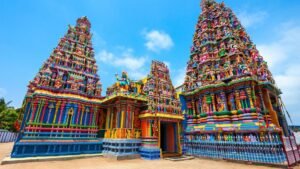
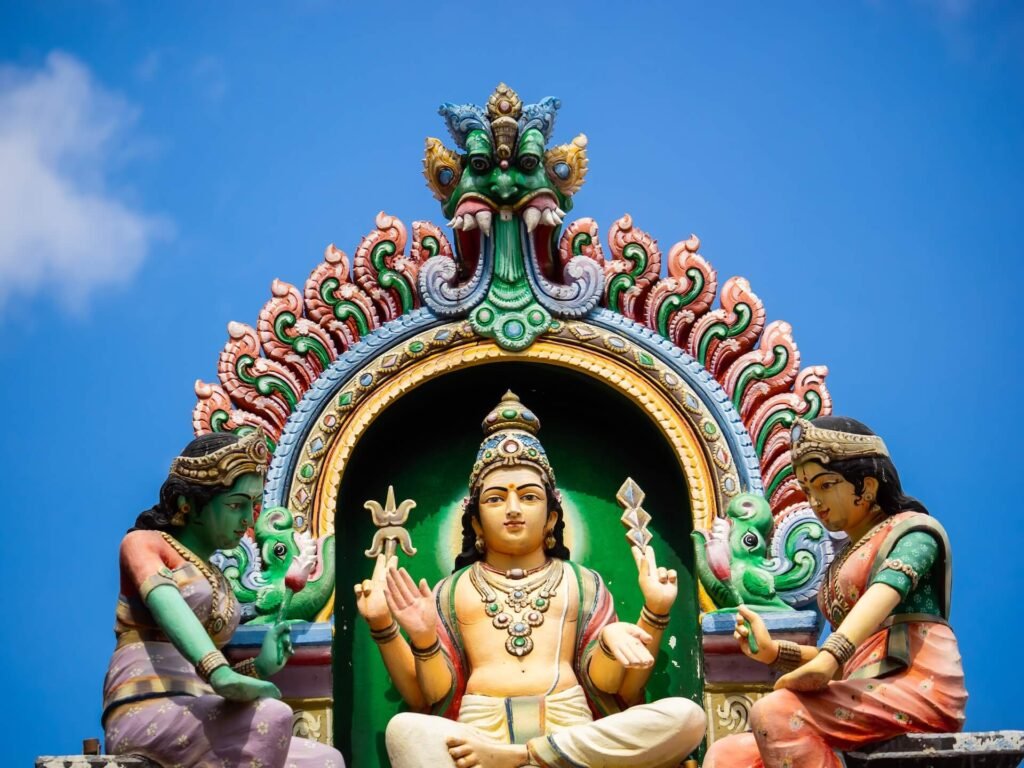
Nallur Kandaswamy Kovil is Jaffna’s most important Hindu temple, with elaborate gopuram (tower) architecture. Daily puja ceremonies are colorful affairs with music, offerings, and crowds of worshippers. The annual festival in July-August is one of Sri Lanka’s grandest Hindu celebrations.
Jaffna Fort and Library
Jaffna Fort, built by the Portuguese and expanded by the Dutch, overlooks the lagoon. Much of it is being restored after war damage. You can walk the ramparts and explore the old structures, though it’s not as complete as southern forts.
The Jaffna Public Library, once one of Asia’s finest, was burned during ethnic riots in 1981, destroying over 97,000 books and manuscripts. It’s been rebuilt and serves as both a library and a symbol of cultural resilience.
Food and Culture
Jaffna food differs from southern Sri Lankan cuisine. It’s spicier, uses more seafood, and shares similarities with South Indian cooking. Jaffna crab curry is a must-try—prepared with a distinctive blend of spices. Palmyra products like toddy and jaggery are local specialties.
Palmyra trees dominate the landscape. Nearly every part of the tree is used—fruit for sweets, sap for toddy, leaves for weaving, and trunks for construction. The culture here revolves around these trees.
Jaffna Peninsula and Islands
The Jaffna Peninsula has rural villages, palmyra forests, and quiet beaches. Casuarina Beach is a long stretch of white sand, though swimming can be tricky due to currents. It’s peaceful and undeveloped compared to southern beaches.
Point Pedro, the island’s northernmost point, has a lighthouse and small fishing villages. The coast here feels remote with good views across the Palk Strait toward India.
Offshore Islands
Several islands lie off Jaffna’s coast, accessible by boat. Delft Island (Neduntheevu) has wild ponies, coral walls, and a baobab tree brought by Arab traders. The Dutch fort ruins and old pigeon houses add to its character. Day trips are possible, though accommodations are basic if staying overnight.
Nainativu Island holds an important Buddhist temple and a Hindu kovil, drawing pilgrims from both communities. It’s smaller and easier to visit than Delft, with regular ferry service.
Trincomalee: Natural Harbor and Beaches
Trincomalee (Trinco) on the east coast has one of the world’s finest natural harbors. The town is multicultural with Tamils, Sinhalese, and Muslims living alongside each other. It’s more laid-back than Colombo, with beaches nearby and better weather from March to September.
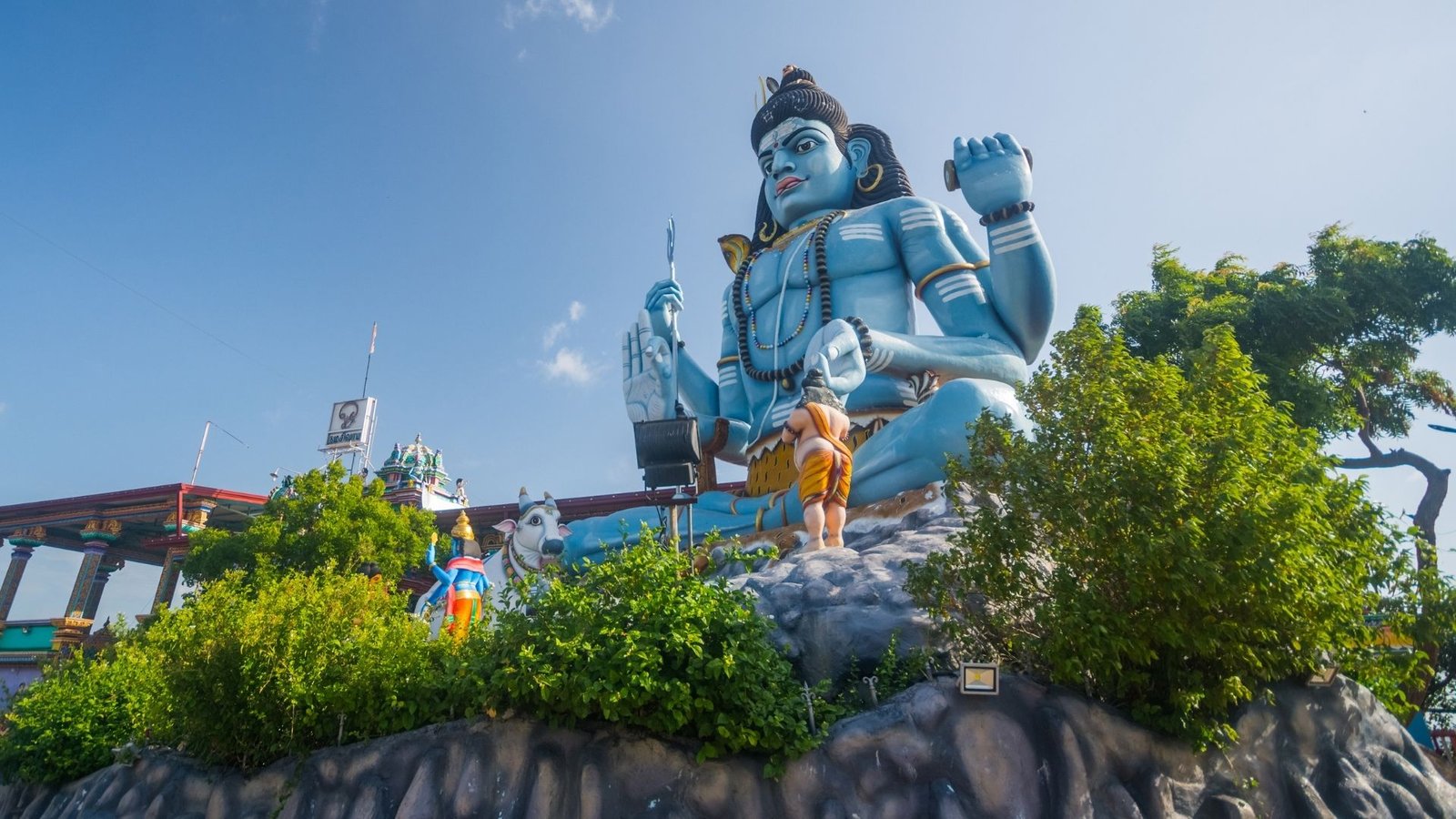
Fort Frederick, built by the Portuguese and taken over by the Dutch then British, sits on a promontory overlooking the harbor. Inside the fort grounds, Koneswaram Temple perches on Swami Rock with dramatic ocean views. It’s an active Hindu temple and pilgrimage site.
Beaches Around Trinco
Nilaveli Beach north of Trinco is a long stretch of white sand with clear water. It’s quiet outside holiday periods, with a few hotels and guesthouses scattered along the beach. Swimming is safe, and snorkeling is possible near the shore.
Pigeon Island National Park lies just offshore, accessible by boat. The marine reserve has good coral reefs and fish populations. Snorkeling tours take you to see reef sharks, turtles, and colorful fish. The island itself has rocky shores where pigeons nest.
Uppuveli Beach is closer to Trinco town, slightly more developed than Nilaveli but still quiet by southern standards. Both beaches work for relaxation without the commercial development of places like Unawatuna.
Batticaloa: Lagoons and Eastern Charm
Batticaloa is less visited than Trinco but has its own appeal. The town sits between a lagoon and the ocean, creating a unique setting. Lagoon boat rides at night let you experience “singing fish”—a phenomenon where fish sounds are audible through the water.
The Dutch Fort in Batticaloa is small but interesting, used now as a prison. Walking around the lagoon area shows daily life—fishing boats, markets, and locals going about their business.
Passikudah Beach near Batticaloa has shallow, calm water extending far from shore. It’s safe for swimming and good for families. Several resorts operate here, though the area remains less crowded than western beaches.
Arugam Bay: Surf Central
Arugam Bay (A-Bay) is Sri Lanka’s surf capital. The main point break produces excellent right-hand waves, attracting surfers from April to October. The village has a backpacker vibe with surf camps, yoga studios, and beach cafes.
If you don’t surf, the beach is still pleasant for swimming and relaxation. The area is flat, hot, and dry—more like the south in feel but less developed. Wildlife is nearby—Kumana National Park is 20 kilometers south, good for bird watching and elephants.
Mullaitivu: Civil War History
Mullaitivu was the final battleground of the civil war. The region is sensitive, and some areas remain restricted. War memorials and cemeteries mark the conflict’s impact. Visiting requires respect for the trauma many locals experienced.
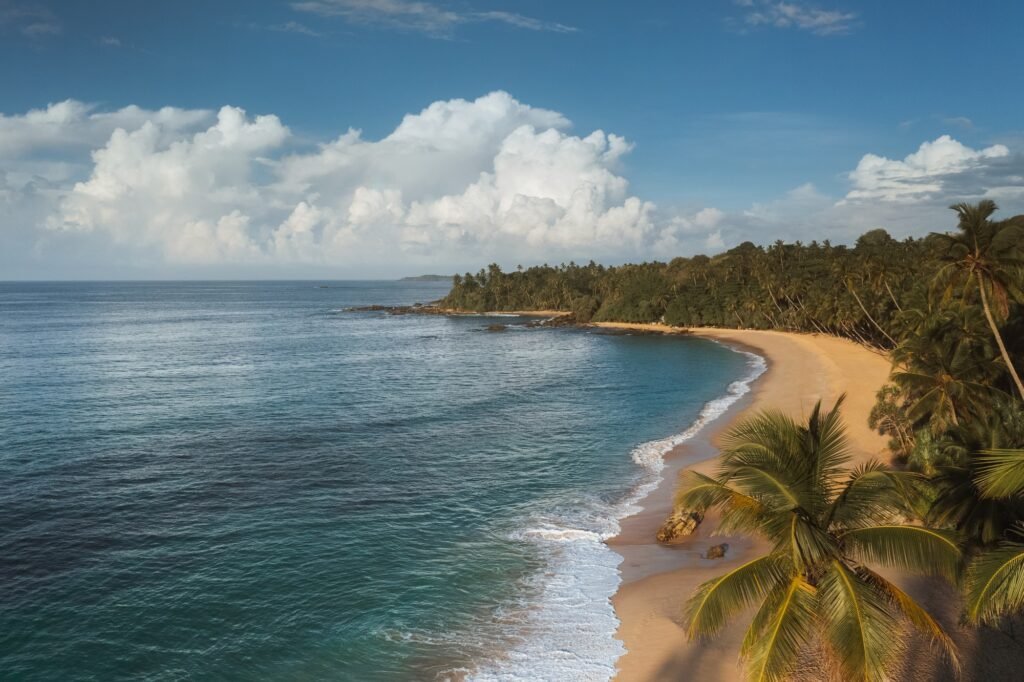
Tourism here is minimal. The coast has potential with empty beaches, but infrastructure is basic. It’s not somewhere most tourists visit, but if you’re interested in understanding Sri Lanka’s recent history, traveling through with a knowledgeable guide provides context.
Getting to the North and East
Jaffna is accessible by train, bus, or domestic flight from Colombo. The train journey takes about 6-7 hours, passing through varied landscape. Flying takes 40 minutes but runs less frequently.
The east coast is reached by road from Kandy or Polonnaruwa. The journey to Trinco takes 4-5 hours from Kandy through hill country and down to the coast. Buses and private vehicles both work.
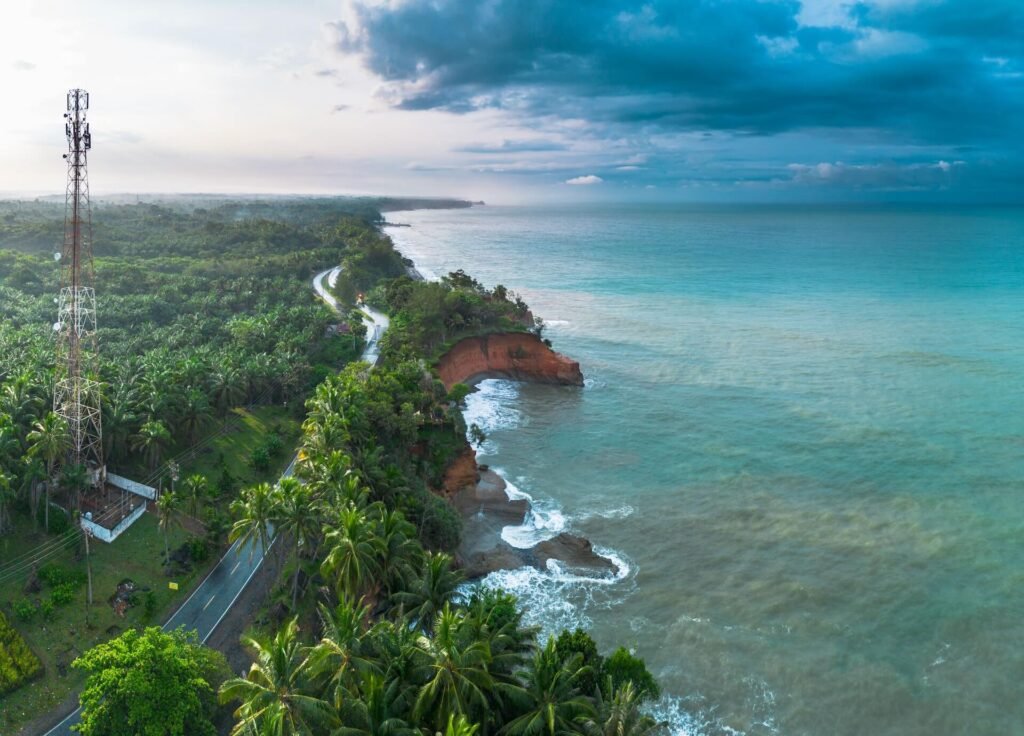
Roads in the north and east have improved significantly. Main routes are good, though rural roads can be rough. Traveling here takes longer than similar distances in the south due to road conditions and checkpoints.
Accommodation and Facilities
Tourist infrastructure in the north and east lags behind the south and hill country. Options exist but are more limited. Jaffna and Trinco have decent hotels and guesthouses. Smaller towns and rural areas have basic accommodation.
Book ahead, especially during holiday periods or festivals. Walk-in options exist but choices narrow. Food in tourist areas is fine—Jaffna has good restaurants, Trinco and A-Bay have international cafes alongside local spots.
Cultural Sensitivity
The civil war ended in 2009, but memories remain fresh. Military presence is still visible, particularly in the north. Don’t photograph military installations or checkpoints. Avoid asking intrusive questions about the war unless locals volunteer information.
Respect religious sites—this applies everywhere in Sri Lanka but particularly in areas where communities feel their culture was threatened. Ask before entering Hindu kovils, dress modestly, and follow instructions from priests or guards.
Why Visit These Regions
The north and east offer authentic experiences less shaped by tourism. You’ll interact more with locals going about daily life than with other travelers. Tamil culture, different food, and distinct landscapes make these regions feel like a different country compared to the south.
If you want pristine beaches without crowds, the east coast delivers. If you’re interested in culture beyond the standard temple circuit, Jaffna provides that. These areas suit travelers who value authenticity over polished tourist experiences.
Including North and East in Your Itinerary
We include northern and eastern regions in itineraries for travelers who want to see more of Sri Lanka. A typical addition is 2-3 days in Jaffna or 3-4 days on the east coast beaches.
Combining Trinco with the Cultural Triangle works logically—you’re already in the north-central area. Jaffna requires more commitment as it’s further, but it’s worth it for the cultural difference. We handle logistics including transport and accommodation, which are trickier to arrange independently in these areas.
Visiting the north and east shows you Sri Lanka beyond the tourist trail. It takes more effort than sticking to standard routes, but travelers who make the journey find it adds depth to their understanding of this complex, diverse island.