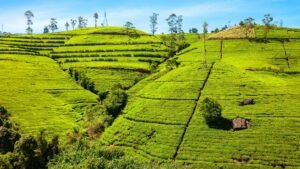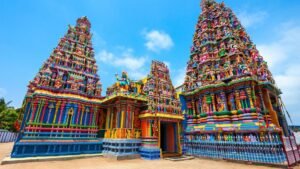

The central highlands offer a complete change from coastal heat and lowland humidity. Tea plantations carpet hillsides, temperatures drop to comfortable levels, and colonial-era towns retain their character. Train journeys through these mountains rank among the world’s most scenic. The hill country deserves at least 3-4 days, though many visitors wish they’d allowed more time once they arrive.
Kandy: Gateway to the Hills
Kandy sits at the edge of the hill country at about 500 meters elevation. It’s Sri Lanka’s cultural capital, home to the Temple of the Tooth Relic—one of Buddhism’s most sacred sites. The tooth of Buddha is housed here, though the actual relic isn’t visible to public view.
The temple complex is busy with pilgrims throughout the day. Puja ceremonies happen three times daily (morning, noon, late evening) with drummers and offerings. Dress modestly and be prepared for security checks and crowds.
Kandy Lake in the town center provides a pleasant walking route. The lake is artificial, created in 1807. In the evening, locals walk the perimeter while fruit bats fly overhead from their daytime roosts.
Around Kandy
Peradeniya Botanical Gardens south of Kandy covers 147 acres with over 4,000 plant species. The orchid collection is particularly impressive. Giant bamboo, spice gardens, and palm avenues make for a relaxing afternoon.
The Udawatta Kele forest reserve behind the temple provides short hiking trails through thick forest. Monkeys are common, and it’s a quick escape from city noise. Views from the hilltop Buddha statue overlook Kandy and surrounding hills.
The Tea Region: Nuwara Eliya and Surrounds
Nuwara Eliya sits at 1,800 meters, making it Sri Lanka’s highest town. British colonials developed it as a hill station to escape lowland heat. The climate here resembles an English spring—cool, misty, and sometimes cold at night.
The town retains colonial architecture with Tudor-style buildings, a golf course, and manicured gardens. It’s touristy but serves as a base for exploring surrounding tea country and mountains. The main street has restaurants, shops, and hotels catering to visitors.
Tea Plantations and Factory Tours
Tea estates surround Nuwara Eliya. The rolling green hillsides you see are all tea. Women in colorful clothing pick tea leaves by hand, loading them into baskets on their backs. It’s picturesque but also hard work—pickers spend all day bent over in the fields.
Several tea factories offer tours explaining the production process from fresh leaf to packaged tea. Pedro Estate and Damro Labookellie are popular choices. Tours show withering, rolling, oxidation, and drying stages. You’ll taste different tea grades and can buy direct from the factory.
The tours are interesting and tea at the source tastes fresher than export versions. Factory shops offer better prices than tourist shops elsewhere, though supermarkets in towns like Hatton often have even lower prices.
Ella: The Travelers’ Favorite
Ella is a small village that’s become hugely popular with travelers. The setting is spectacular—surrounded by peaks, tea fields, and the Ella Gap opening to lowland views. It’s relaxed, with good cafes, hostels, and easy access to hikes.
Little Adam’s Peak is an easy 30-minute walk through tea plantations. The trail is paved and suitable for anyone. Views from the top extend across valleys and mountains. Go early or late to avoid crowds and heat.
Ella Rock is more challenging, taking 2-3 hours round trip. The trail goes through forest and tea estates before climbing to a rocky summit. Views are excellent, though navigation requires asking locals for directions as the trail isn’t well marked.
Nine Arch Bridge
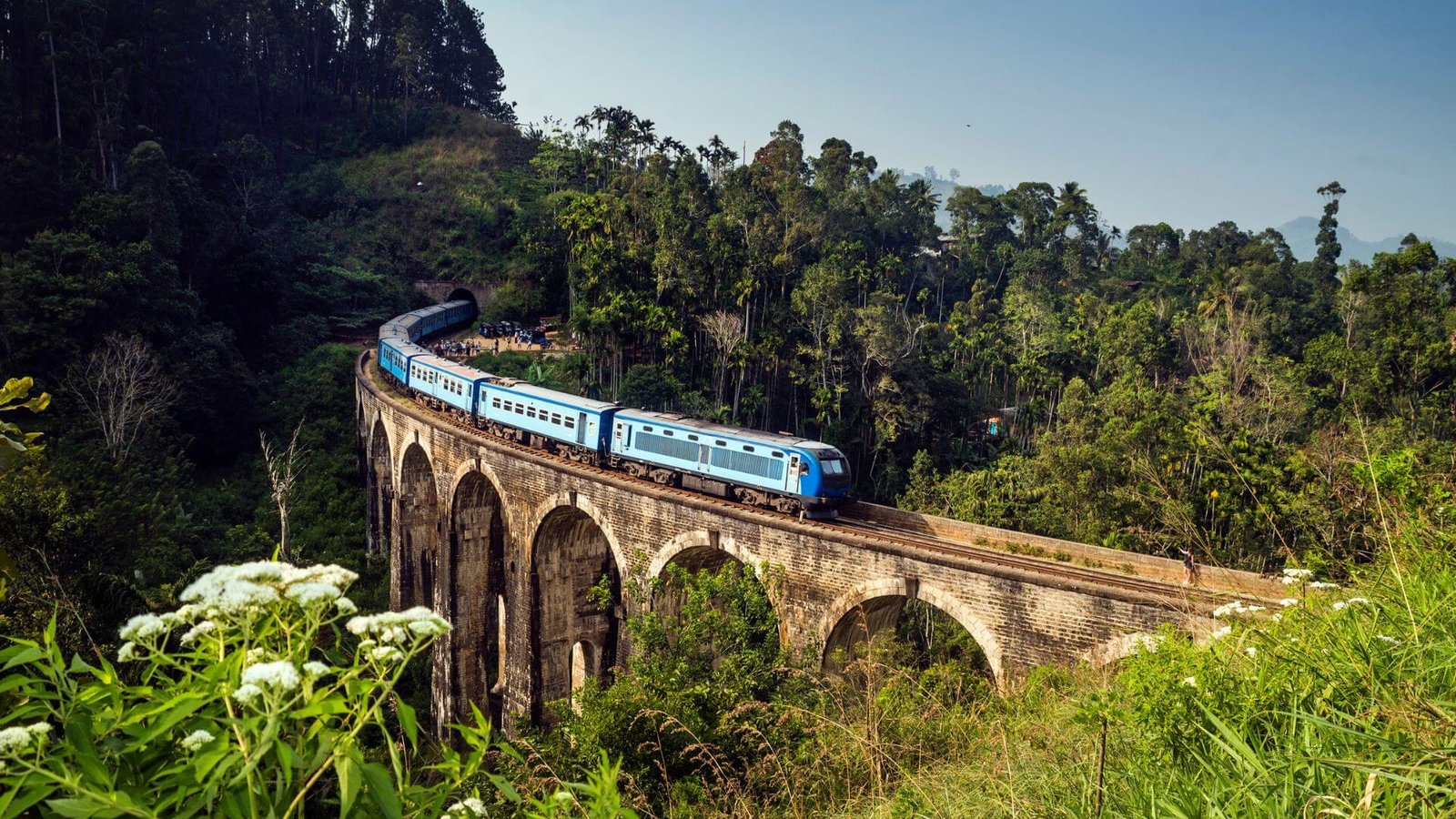
The Nine Arch Bridge near Ella is an engineering marvel—a railway viaduct built entirely of brick and stone without steel. Trains pass over it several times daily. Many visitors walk to the bridge and wait for a train to cross for photos.
The walk from Ella town takes about 30-40 minutes through tea fields and small villages. The bridge sits in a valley surrounded by green hills, making a scenic spot even without trains.
Haputale: Less Crowded Alternative
Haputale is smaller and quieter than Nuwara Eliya or Ella but offers similar scenery. The town sits on a ridge with views down to the southern lowlands. It’s less developed for tourism, giving it a more authentic feel.
Lipton’s Seat is a viewpoint where tea magnate Thomas Lipton used to survey his estates. The panoramic view covers tea fields, mountains, and on clear days, the southern coast. Getting there requires a tuk-tuk or taxi on rough roads, followed by a short walk.
Dambatenne Tea Factory near Haputale is the estate Lipton established. Tours are similar to other factories but with historical connection to one of tea’s most famous names.
The Train Journey
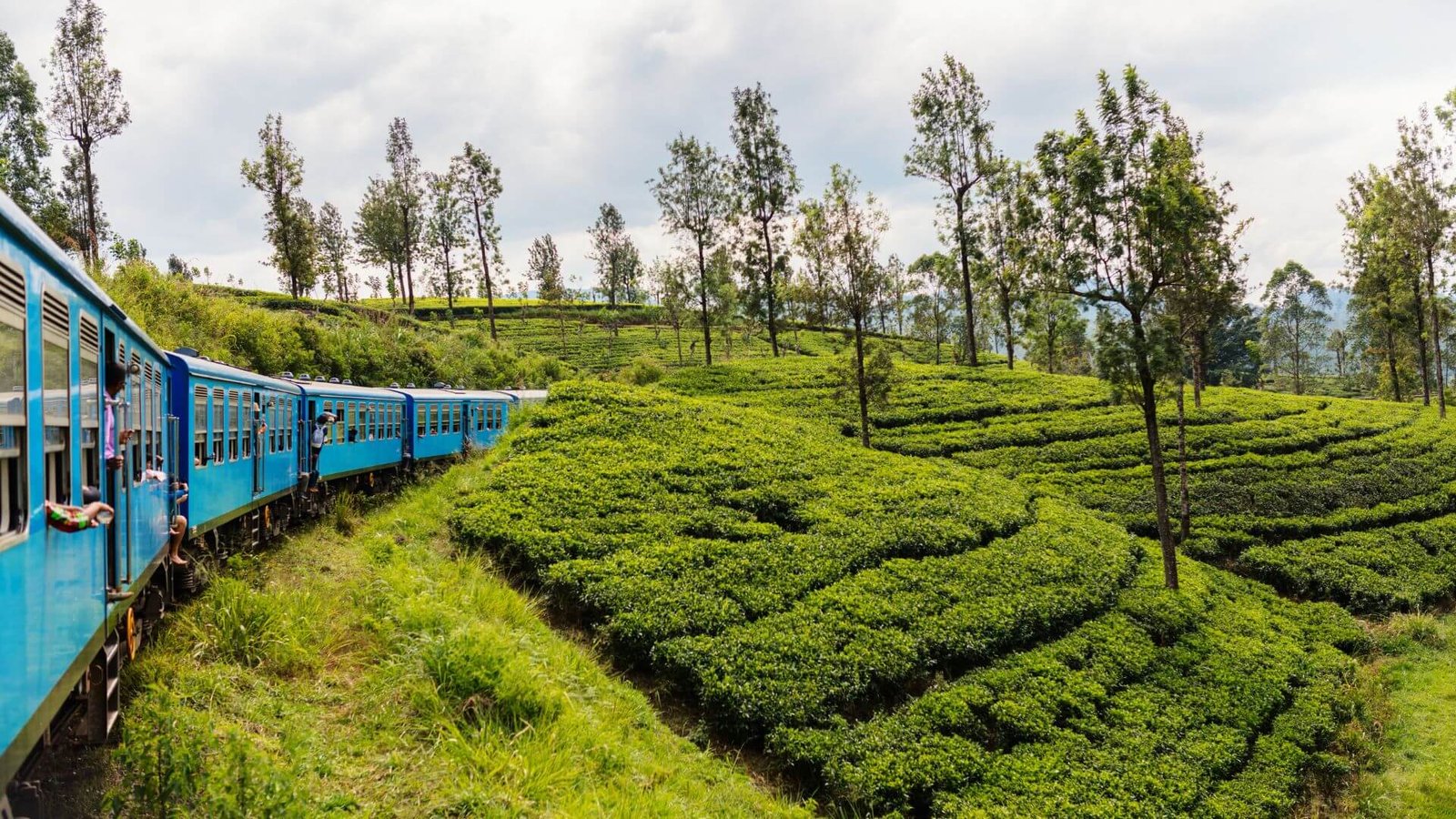
The train ride from Kandy to Ella or Nuwara Eliya is one of Sri Lanka’s highlights. The route winds through mountains, crosses bridges, and passes tea plantations. Locals say it’s one of the world’s most scenic train journeys.
Second class reserved seats are comfortable and cheap. Third class is cheaper but crowded and can mean standing. First class observation car has large windows but books out well ahead. Regardless of class, the views are the same.
The section from Nanu Oya (for Nuwara Eliya) to Ella is the most scenic part. If time is limited, take the train for this section and use other transport for longer distances. Keep doors open if no air conditioning—the breeze is pleasant and you can lean out for photos (carefully).
Train Booking Tips
Book trains in advance during peak season (December to March). The railway website allows online booking, though it’s not always reliable. Local agents or hotels can book for you. Turning up without reservations in busy periods means standing for several hours.
Horton Plains: Montane Plateau
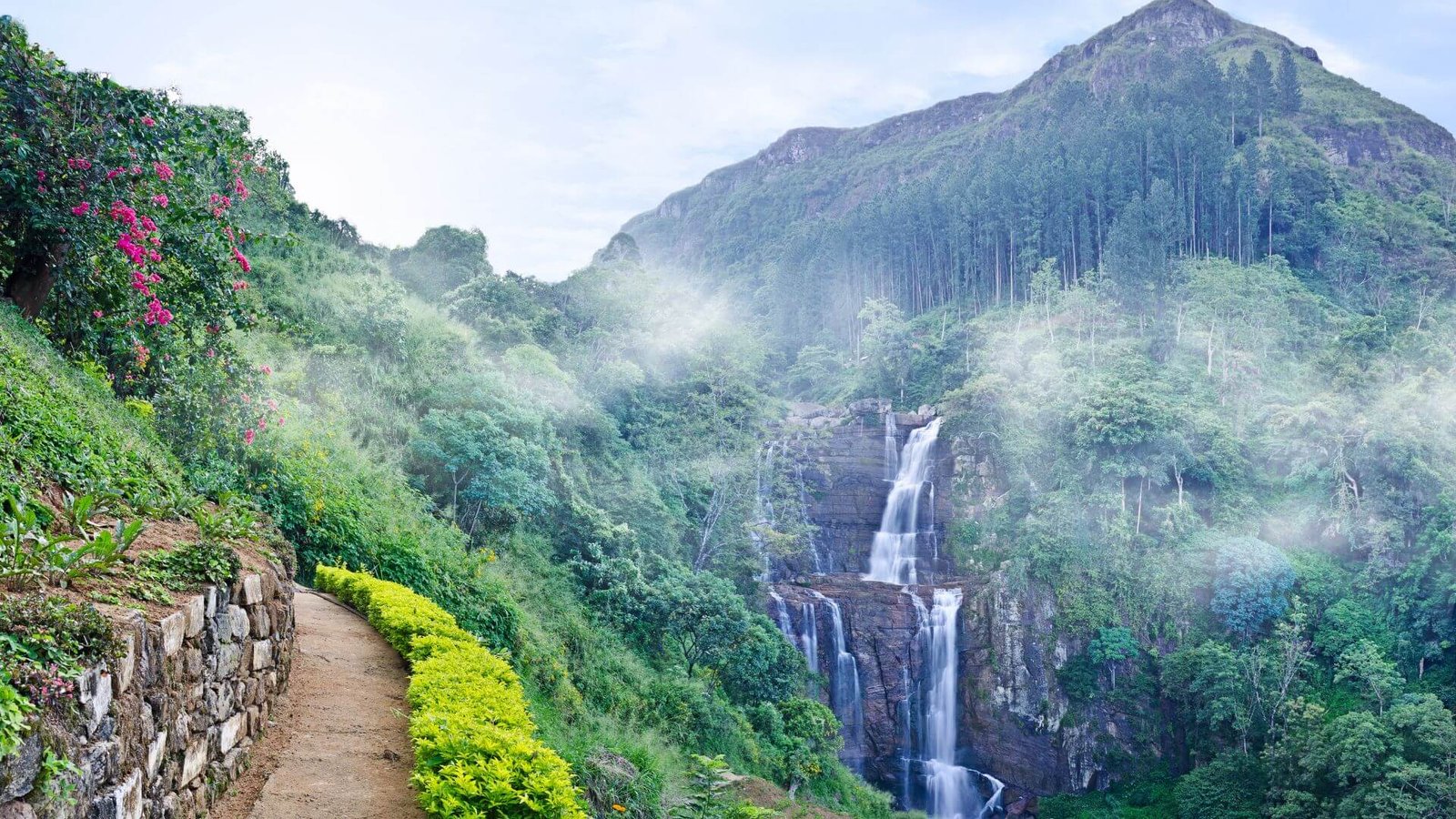
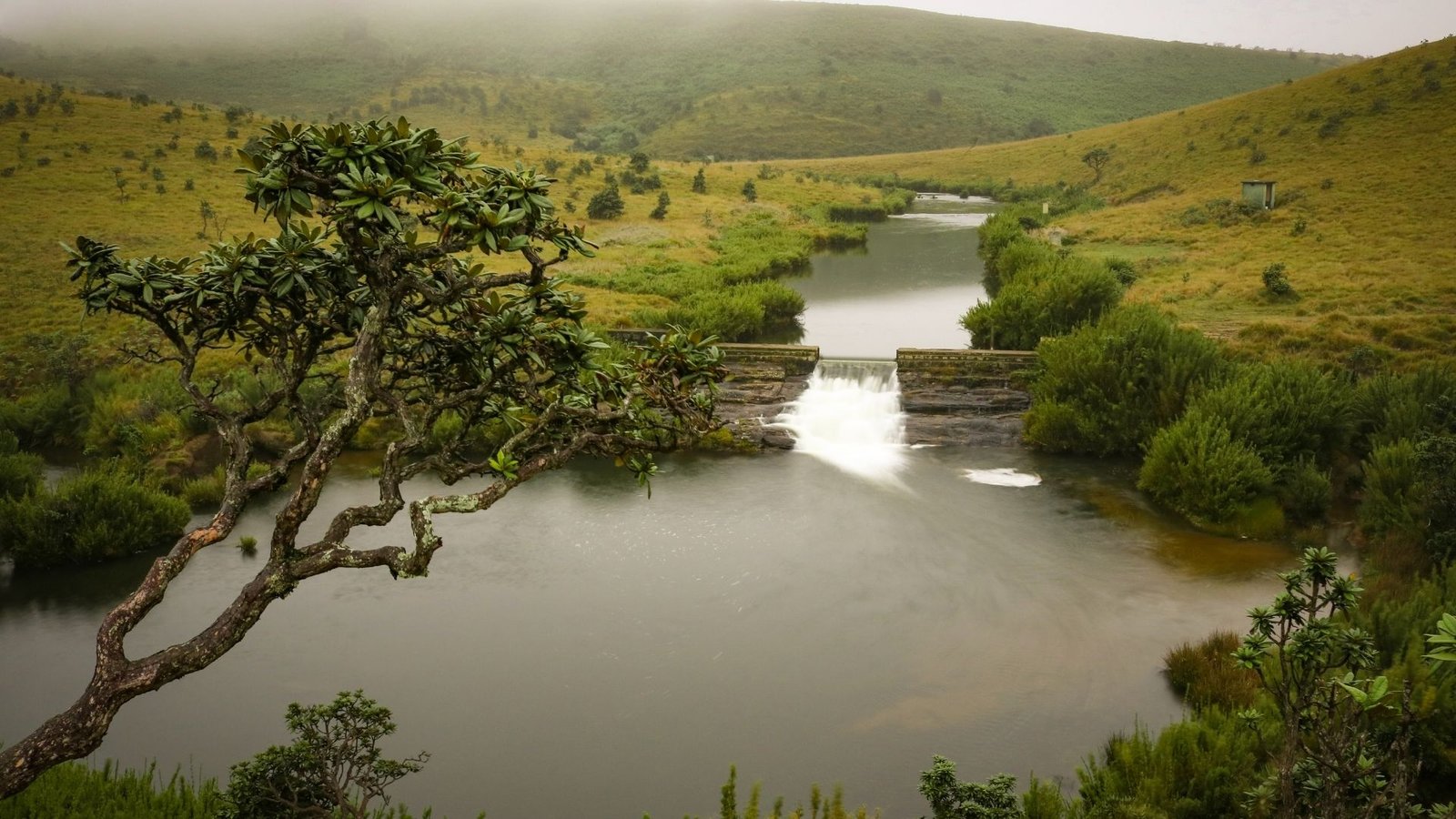
Horton Plains National Park at 2,000+ meters is a protected montane grassland ecosystem. The 9-kilometer circuit trail takes you to World’s End—a sheer 880-meter drop with views across the southern lowlands.
Start at 6 AM when the park opens. By 10 AM, clouds roll in and obscure World’s End views. The early start also means cooler walking temperatures. Baker’s Falls, a waterfall in the forest section, is along the circuit.
The landscape is unique—open grasslands, cloud forest patches, and rocky outcrops. Wildlife includes sambhur deer and endemic birds. It’s cold here in the morning—bring layers.
Adam’s Peak Pilgrimage
Adam’s Peak (Sri Pada) is a sacred mountain in the hill country foothills. The 5,500 stone steps climb to a summit where a rock formation resembles a footprint. Different religions claim it as Buddha’s footprint, Shiva’s, Adam’s (hence the name), or St. Thomas’s.
Climbing starts around 2-3 AM to reach the summit by sunrise. The trail is lit and has tea stalls along the way. It’s steep but doesn’t require technical climbing skills. The sunrise from the top is spectacular when weather cooperates.
Peak season runs December to May. The trail becomes a pilgrimage stream with thousands making the climb, especially on weekends and Poya days. Weekday climbs are less crowded. It’s a spiritual experience as much as a hike.
Hill Country Towns
Bandarawela is a working town with less tourist focus than Ella or Nuwara Eliya. It’s pleasant for experiencing local life—markets, shops, and tea culture without the backpacker scene.
Badulla is the end of the railway line, a busy commercial center at the edge of the hills. Few tourists stay here but it’s authentic and well-connected for onward travel.
Weather and Packing
Hill country is significantly cooler than lowlands. Nuwara Eliya can drop to 10°C (50°F) at night. Bring long pants, a light jacket, and closed shoes. Mornings are cold, afternoons warm up, and evenings cool down again.
Rain is possible year-round but more frequent April-May and October-November. Pack a light rain jacket or umbrella. Mist and fog are common, especially around Horton Plains.
Food in the Hills
Hill country food includes both Sri Lankan staples and adaptations from colonial times. English breakfast, scones with jam, and baked goods are common in Nuwara Eliya’s tourist restaurants. Ella has international cafes with Western and local options.
Fresh vegetables grow well at this elevation. Salads and vegetable curries are good here. Strawberries from Nuwara Eliya farms appear in desserts and fruit stalls.
Hill Country in Your Itinerary
Most travelers spend 3-5 days in the hill country, moving between towns. A common route goes Kandy → Nuwara Eliya → Ella, with train rides between. Some add Haputale or include Horton Plains as a day trip from Nuwara Eliya.
We arrange accommodation in well-located places with mountain views where possible. Transport includes scenic train sections and private vehicles where trains don’t work schedule-wise. Tea factory visits, nature walks, and cultural sites mix throughout.
The hills provide relief from coastal heat and a different pace. After busy Colombo or ancient cities, the mountain air and slower rhythm feel restorative. Combined with the scenery and unique culture, it’s why many visitors say the hill country was their favorite part of Sri Lanka. Whether you’re here for trains, tea, hiking, or just the views, this region offers something special.