
Understanding local customs and practical realities makes your Sri Lankan visit smoother. The country is generally welcoming to tourists, but knowing what’s respectful and what to expect helps avoid awkward situations. These tips cover cultural etiquette, safety, health, and everyday practicalities.

Temple and Religious Site Etiquette
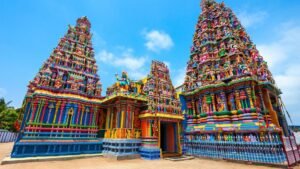
Remove shoes before entering any temple or religious building. Most places have shoe racks near the entrance. Hats and sunglasses should also come off inside sacred spaces.
Cover your shoulders and knees. Long pants or skirts work better than shorts. Some temples provide sarongs if you’re not dressed appropriately, but carrying your own shows respect.
Never turn your back on a Buddha statue or climb on religious structures for photos. Keep Buddha images elevated—don’t place them on the floor or in low positions. Taking photos of yourself pointing at or mimicking Buddha poses is disrespectful.
Donations and Offerings
Temples often have donation boxes. Contributing is appreciated but never required. If monks bless you or tie a blessing thread on your wrist, a small donation is customary afterward.
When giving or receiving anything from a monk, use your right hand or both hands. Don’t hand things directly to monks with your left hand alone.
Dress Code Beyond Temples
Sri Lanka is conservative outside tourist beach areas. Locals rarely wear shorts or sleeveless tops in public, even in hot weather. Tank tops and very short shorts mark you immediately as a tourist and can attract unwanted attention.
Beachwear stays at the beach. Don’t walk through towns in swimsuits or shirtless. This applies to men too—going topless off the beach is considered inappropriate.
In cities and cultural sites, dressing modestly shows respect and makes interactions easier. Light, loose clothing in natural fabrics handles the heat better than tight clothes anyway.
Interactions and Body Language
Public displays of affection are uncommon. Hand-holding is fine, but kissing or embracing in public makes locals uncomfortable. Keep affection private, especially near religious sites.
Pointing with one finger is considered rude. Use your full hand or nod with your head to indicate direction. The head is considered sacred, so don’t pat people on the head, even children.
The left hand is traditionally used for hygiene purposes, so eat and pass items with your right hand. This matters less in tourist settings, but older people and those outside cities still observe this.
Photography Courtesy
Ask before photographing people, especially monks, women, or children. Many are happy to be photographed, but it’s respectful to ask. If someone declines, accept it without argument.
Military installations, checkpoints, and some government buildings prohibit photography. Signs should indicate this, but when in doubt, don’t photograph anything security-related.
In temples, photography is usually allowed in courtyards but sometimes restricted inside shrine rooms. Look for signs or ask. Never use flash near ancient frescoes or paintings—the light damages them.
Safety and Scams
Sri Lanka is relatively safe for tourists, but common scams exist. The “gem scam” involves someone befriending you, taking you to a gem shop, and pressuring you to buy stones that are supposedly valuable. Decline these invitations politely.
Tuk-tuk drivers sometimes take you to shops where they get commission. Be firm about going directly to your destination. Agree on fares before starting the ride—use the meter in metered tuk-tuks or negotiate a price first.
Pickpocketing happens in crowded areas like markets and bus stations. Keep valuables secure and don’t flash expensive items. Money belts or hidden pockets work better than open bags.
Wildlife Encounters
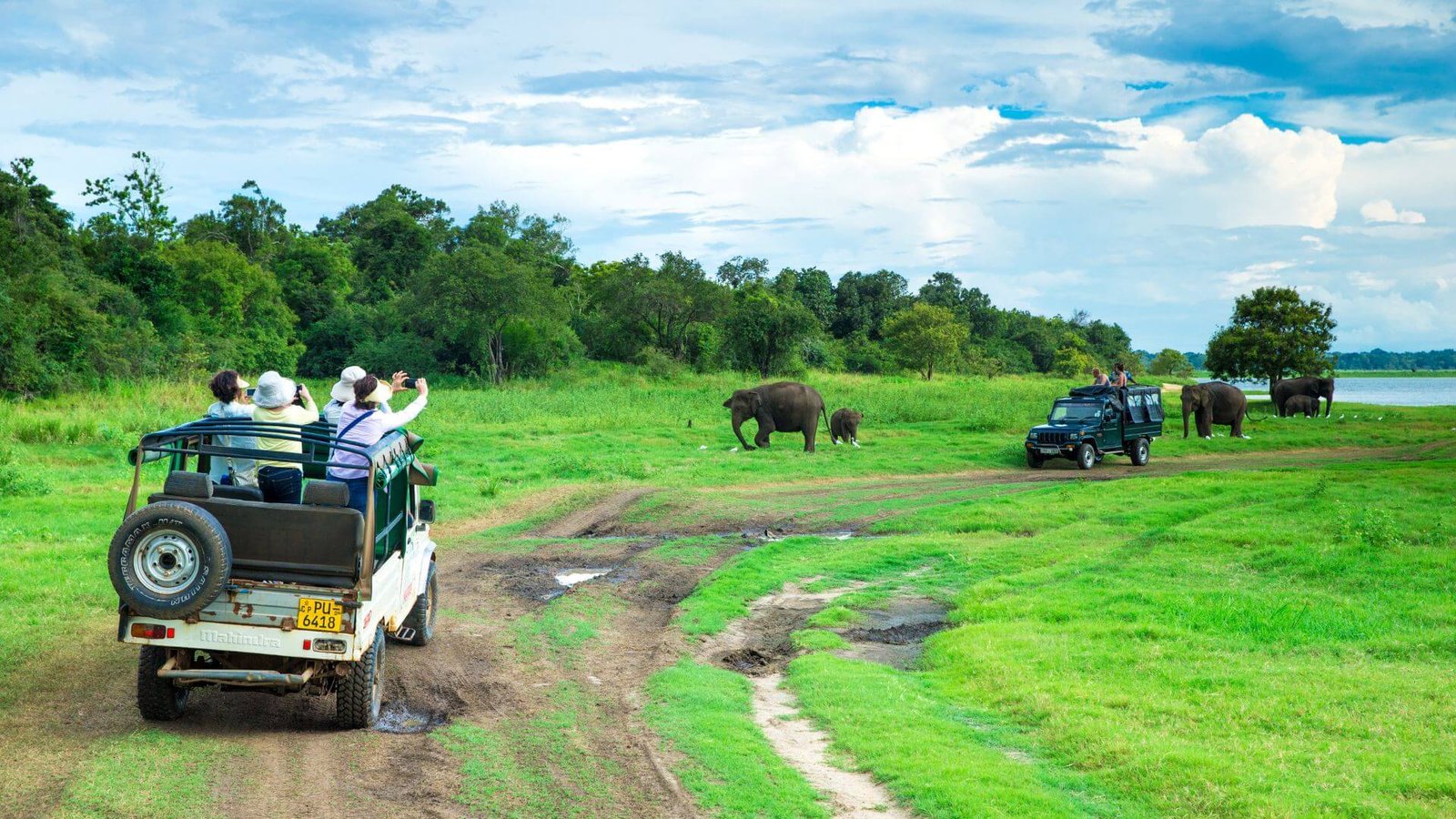
Elephants and monkeys deserve respect and distance. Don’t feed monkeys—they become aggressive and bold around humans. In national parks, never get out of your vehicle or disturb animals for photos.
If you encounter a wild elephant on the road, keep distance and don’t honk or shout. Back away slowly. Most human-elephant conflicts happen when people get too close or block their paths.
Health and Hygiene
Drink bottled or filtered water. Tap water isn’t safe for foreign stomachs. Bottled water is cheap and available everywhere. Avoid ice unless you’re confident it’s made from purified water.
Street food is generally safe if it’s freshly cooked and served hot. Avoid anything sitting out for long periods. Use common sense—busy food stalls with high turnover are usually fine.
Dengue fever is present year-round. Use mosquito repellent, especially at dawn and dusk. Cover up in the evening. Most accommodations provide nets or mosquito coils.
Sun Protection
Tropical sun is intense. Use high SPF sunscreen and reapply regularly. Wear hats and sunglasses. Heat exhaustion happens quickly—drink water constantly, especially during sightseeing or hiking.
Transport and Getting Around
Traffic moves on the left side. As a pedestrian, look right first when crossing. Roads can be chaotic—drivers honk constantly but it’s communication rather than aggression.
Public buses are cheap but crowded and drive fast. They’re an experience but not always comfortable with luggage. Private buses or hired vehicles offer more comfort for longer distances.
Train rides through the hill country are scenic and worth taking. Book seats in advance for popular routes. Second class is fine—air-conditioned first class isn’t necessary.
Money and Bargaining
Carry cash for small purchases, tuk-tuks, and entrance fees. ATMs are common in cities and towns. Credit cards work in hotels and restaurants but not everywhere.
Bargaining is expected in markets and with tuk-tuk drivers. Start at 50-60% of the asking price and negotiate up. Fixed price shops and restaurants don’t bargain.
Tipping isn’t mandatory but appreciated. 10% is standard in restaurants if service charge isn’t included. Small tips for drivers, guides, and hotel staff are customary.
Alcohol and Drugs
Alcohol is legal and available in most tourist areas. Poya days (full moon Buddhist holidays) ban alcohol sales—plan ahead. Drinking in public outside licensed establishments isn’t common.
Drugs are illegal with harsh penalties. Don’t buy, use, or transport any illegal substances. Enforcement is serious, and claiming tourist ignorance won’t help.
Communication and Language
English is widely spoken in tourist areas. Outside cities, especially in villages, fewer people speak English. Learn basic phrases in Sinhala or Tamil—locals appreciate the effort.
“Ayubowan” (ah-yu-bo-wan) means hello in Sinhala. “Vanakkam” works in Tamil areas. “Istuti” means thank you in Sinhala. Even basic attempts at local language earn smiles.
Shopping Smartly
Government-run shops like Laksala offer fixed prices on handicrafts, tea, and textiles. Quality is reliable, though prices are higher than markets. Private shops negotiate.
Check export restrictions on antiques and wildlife products. Items over 50 years old need permits. Ivory, turtle shell, and coral products are illegal to buy or export.
Tea direct from estates is fresher and cheaper than airport shops. Spices bought from markets or small shops cost less than tourist traps. Compare prices before buying.
Environmental Responsibility
Plastic pollution is a problem. Bring a reusable water bottle and refill from filtered water dispensers many hotels provide. Say no to plastic bags and straws.
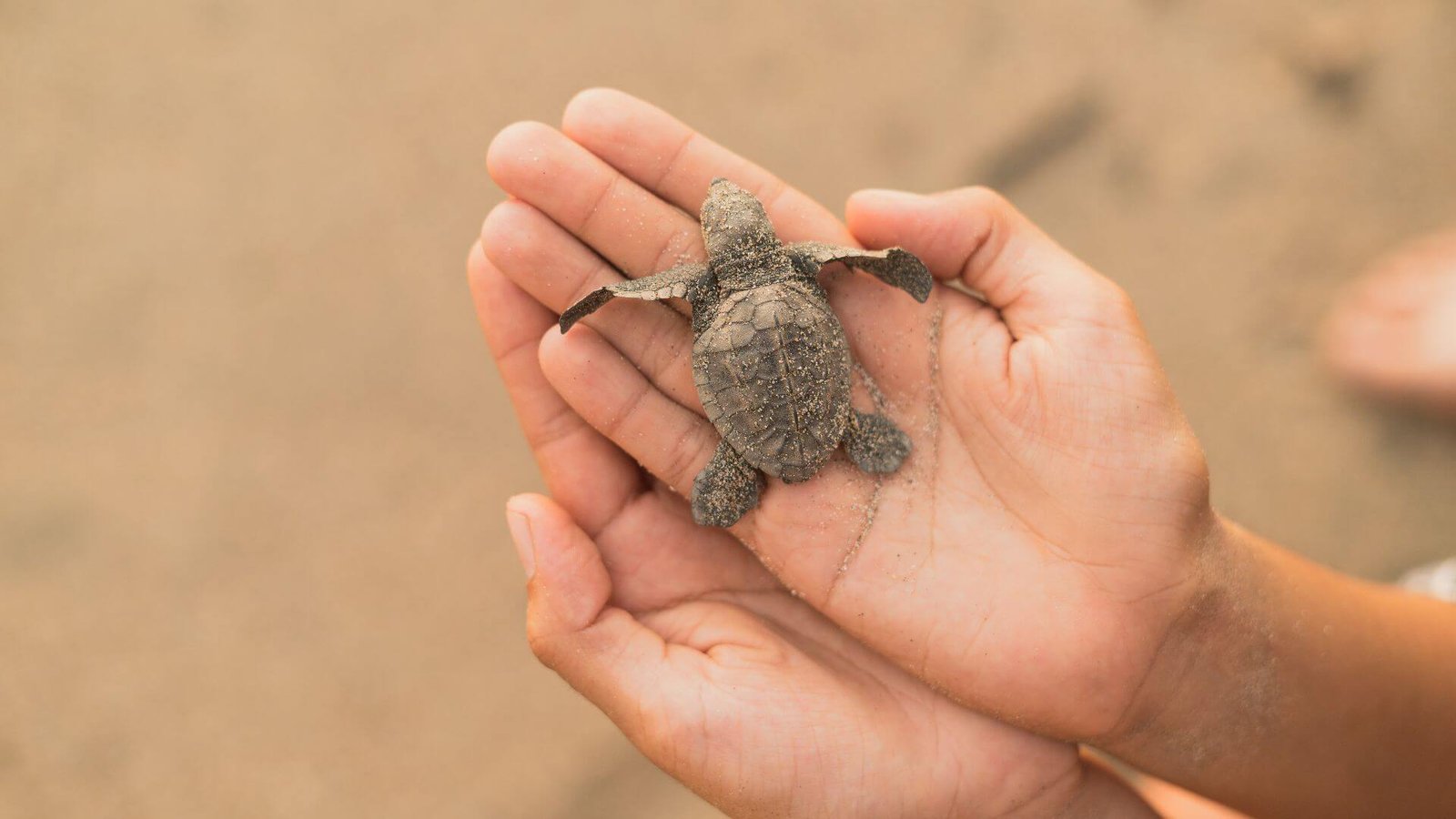
Don’t touch or collect coral, shells, or marine life. Reef damage from tourism is significant. Reef-safe sunscreen protects marine ecosystems better than regular brands.
Working With Tour Operators
When booking tours, confirm exactly what’s included. Ask about entrance fees, meals, accommodation standards, and transport type. Written itineraries prevent misunderstandings.
We provide clear breakdowns of inclusions and exclusions. If something isn’t listed as included, assume it’s extra. Ask questions before booking rather than assuming.
Flexibility helps—traffic, weather, or unexpected closures sometimes require itinerary adjustments. Good operators adapt while ensuring you see what you came for.
Respecting Local Culture
Sri Lankans are generally friendly and helpful. Respond with courtesy and patience. What seems inefficient to you is normal here. Frustration doesn’t speed things up.
Learn a bit about the country’s history and ethnic diversity. Understanding the civil war’s impact and current dynamics shows respect and helps you interpret what you see.
Most importantly, approach Sri Lanka with an open mind. Things work differently here. Embracing that rather than comparing everything to home makes for a better experience. When you travel with respect and awareness, you’ll find Sri Lankans welcoming and eager to share their country with you.