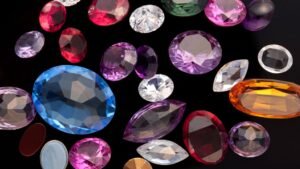

Sri Lanka has been famous for gemstones for over 2,000 years. The island produces some of the world’s finest sapphires, rubies, and other precious stones. Gem mining remains an active industry, and markets sell stones directly from mines. Understanding what makes Sri Lankan gems special and how the industry works helps if you’re interested in buying or just curious about this aspect of the country’s heritage.
Why Sri Lanka Produces Quality Gems
Sri Lanka’s geology creates conditions perfect for gem formation. Ancient metamorphic rocks deep underground produce corundum (sapphire and ruby), chrysoberyl, spinel, and other precious stones. Millions of years of erosion bring these stones to riverbeds and soil deposits where they’re mined.
The island has produced gems continuously for at least 2,500 years. Ancient texts mention Sri Lankan gems reaching markets in Rome, Greece, and China. Marco Polo wrote about the island’s gem wealth. Even today, Sri Lanka remains one of the world’s important gem producers.
The Famous Stones
Some of the world’s most notable gems came from Sri Lanka. The Blue Belle of Asia, a 400-carat sapphire, was mined here in 1926 and sold at auction in 2014 for over $17 million. The Logan Sapphire, a 423-carat blue sapphire in the Smithsonian Museum, is Sri Lankan.
Princess Diana’s engagement ring, now worn by Kate Middleton, features a 12-carat oval blue sapphire from Sri Lanka surrounded by diamonds. This brought renewed attention to Sri Lankan sapphires in recent years.
Types of Gems Found Here
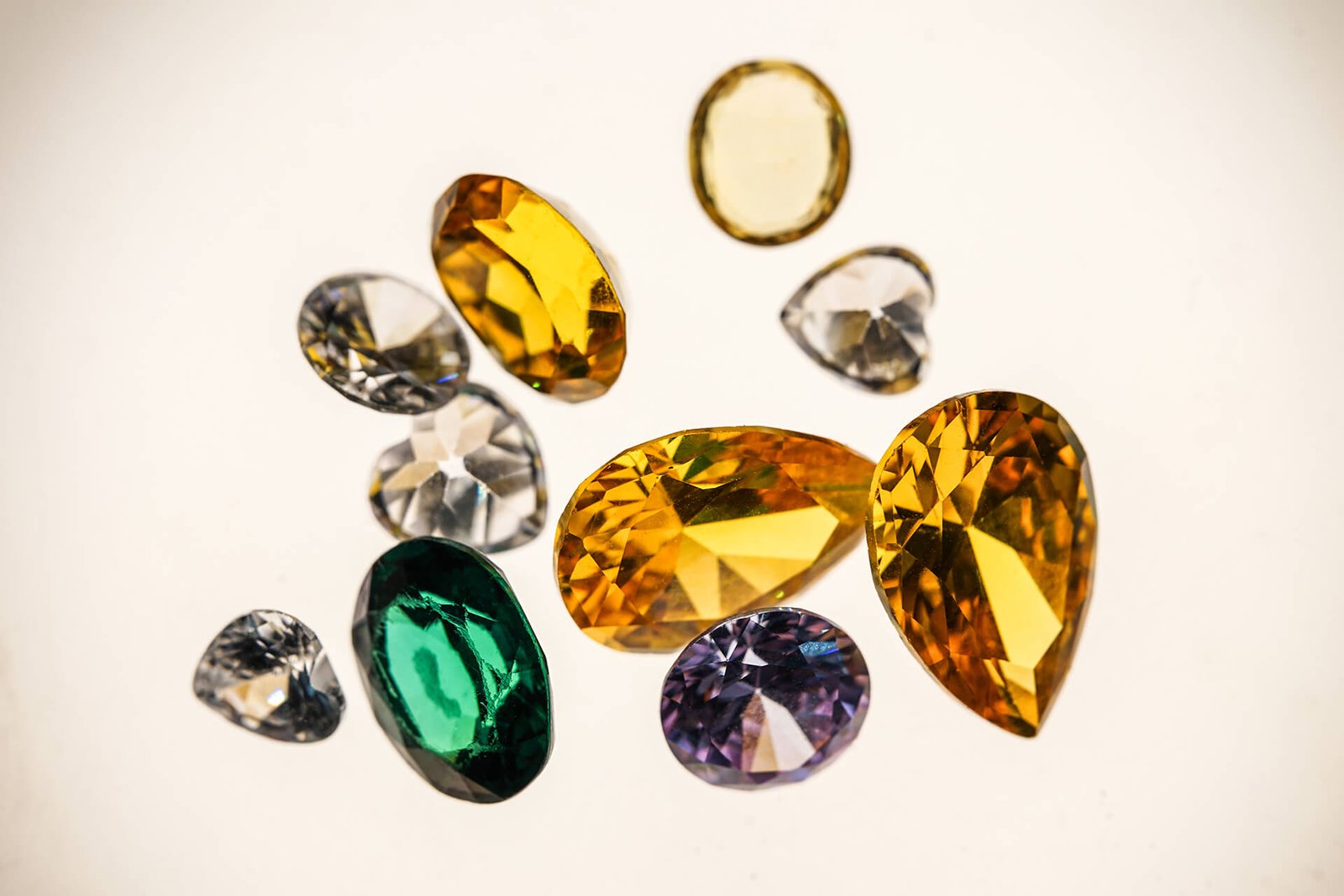
Sapphires are the most significant. While we associate sapphires with blue, they actually come in every color except red (red corundum is ruby). Sri Lanka produces blue, pink, yellow, orange, and rare padparadscha sapphires—a salmon-orange color found almost exclusively here.
Blue sapphires from Sri Lanka tend toward lighter, cornflower blues rather than the deep navy blues from other sources. Ceylon sapphires (Ceylon being Sri Lanka’s colonial name) are valued for their clarity and vibrant colors.
Other Precious Stones
Rubies are found but less common than sapphires. Cat’s eye chrysoberyl is another Sri Lankan specialty—a stone that displays a narrow band of light across its surface when properly cut. Alexandrite, moonstone, and garnets also come from Sri Lankan mines.
How Gem Mining Works
Most mining is small-scale, done by individuals or small groups rather than large companies. Miners dig pits or excavate riverbeds, washing gravel through sieves to find stones. It’s labor-intensive work with no guarantee of finding valuable gems.
Ratnapura (“city of gems”) is the main mining center. The town’s name literally means gem city. Markets here sell rough and cut stones, with buyers from around the world visiting to source gems.
Elahera in the north-central region is another mining area. The Elahera gem fields have produced significant stones, though access isn’t as easy as Ratnapura.
The Cutting and Trading Process
After mining, rough stones are sold to cutters. Skilled gem cutters in Ratnapura and Beruwala shape and polish stones. The cutting determines how well a stone displays color and brilliance.
Dealers buy cut stones for resale locally or export. Colombo has gem exchanges and dealers who handle international trade. Sri Lanka exports billions of dollars worth of gems annually, though exact figures are hard to track as much trading happens informally.
Visiting Gem Mining Areas
Ratnapura is accessible as a day trip from Colombo or Kandy, though staying overnight allows more time. You can visit mines (with permission), watch cutters work, and see market trading. Local guides can arrange visits, though be cautious about being taken to shops where guides get commissions.
The National Gem and Jewelry Authority museum in Ratnapura displays notable stones and explains gem formation. It’s worth visiting for context before seeing mines or markets.
Watching the Process
Some mines allow visitors to observe, though it’s dirty, wet work with little to see if miners aren’t actively finding stones. Watching cutters is more interesting—they shape rough stones by eye and experience, working on primitive wheels with minimal equipment.
Buying Gems: What to Know
If you’re interested in buying, understand that the gem trade has many pitfalls for tourists. Scams exist, prices can be inflated, and quality isn’t always what dealers claim.
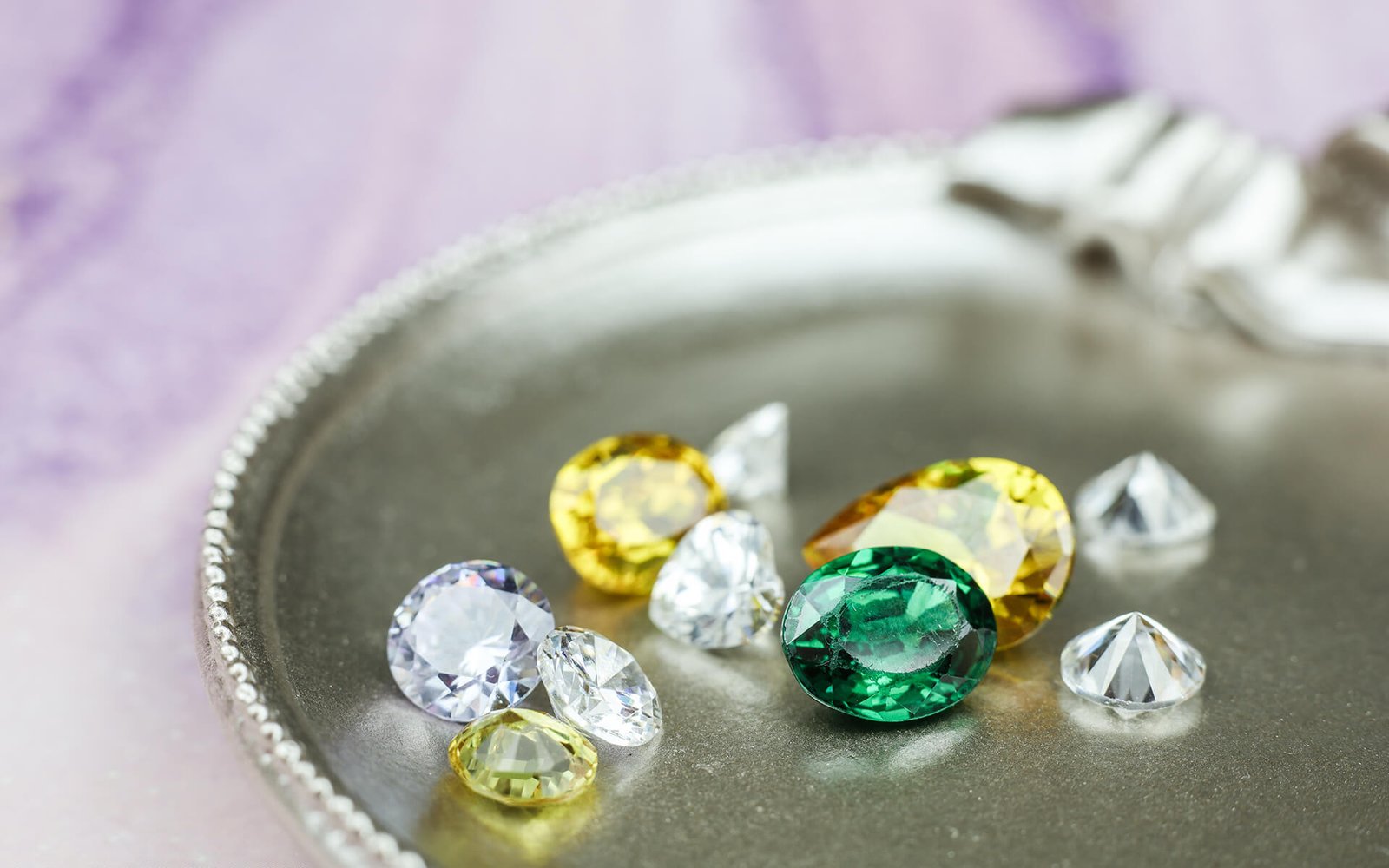
Synthetic stones look identical to natural ones without testing equipment. Treatments like heat treatment are common (and legal) but should be disclosed and affect price. Some dealers misrepresent treated or synthetic stones as natural, untreated gems.
Where to Buy Safely
Government-approved gem dealers are regulated by the National Gem and Jewelry Authority. They issue certificates and are generally more reliable than random shops, though prices are higher.
If buying significant stones, get independent certification. Local gemological laboratories can test stones and issue certificates verifying authenticity and any treatments. This costs extra but protects you from expensive mistakes.
The “Gem Investment” Scam
A common scam involves someone befriending tourists, gaining trust, then taking them to a gem dealer. The dealer shows stones claimed to be valuable investments that can be resold at profit back home. This is almost always fraudulent—you’ll pay far more than the stones are worth, and buyers back home won’t pay anything close to what you paid.
No legitimate dealer encourages tourists to buy gems as quick-profit investments. If anyone suggests this, walk away immediately.
What Affects Gem Value
Color is the most important factor for colored stones. Intensity, evenness, and appeal of the color determine much of the value. For blue sapphires, vivid blue is most valuable.
Clarity matters—fewer inclusions (internal flaws) mean higher value. However, some inclusions are acceptable in natural stones and even help prove authenticity. Perfectly clear stones at unusually low prices are suspicious.
Size obviously affects value, but quality matters more than size alone. A small high-quality stone can be worth more than a large poor-quality one. Cut quality also matters—well-cut stones display color and brilliance better.
Gem Museums and Learning
The Gem Museum in Ratnapura explains gem types, formation, and mining methods. It’s basic but informative if you’re interested in the geology and history.
Some jewelry shops in Colombo have small museums or display collections. These are partly marketing but offer chances to see high-quality examples of different stone types.
Legal Considerations
Exporting gems over certain values requires documentation. If you buy expensive stones, ensure the seller provides proper invoices and export certificates. Trying to leave the country with undeclared valuable gems can result in confiscation.
Some countries have import duties on gems and jewelry. Check your home country’s rules before buying. Factor in duties when considering if a purchase represents good value.
The Cultural Significance
Gems feature in Sri Lankan culture and history. Temple treasures often include gem-encrusted artifacts. Ancient kings wore gems as symbols of power. Astrology here connects specific gems to planetary influences—people wear particular stones based on astrological beliefs.
Traditional medicine sometimes incorporates powdered gems, though this is controversial and wasteful. The belief in gems’ mystical properties beyond their beauty remains strong in some communities.
Modern Industry Challenges
Sri Lankan gem mining faces environmental concerns. Unregulated mining damages riverbeds and agricultural land. Water used in washing gravel can pollute streams. The government tries to balance economic benefits with environmental protection.
Synthetic stones compete with natural ones in the market. Lab-created sapphires are now indistinguishable from natural ones without testing. This affects prices and makes authentication more important.
Ethical Buying
If you’re serious about buying gems in Sri Lanka, work with reputable dealers, get independent certification for valuable stones, and understand that good deals are rarely as good as they seem. Be especially skeptical of anyone approaching you rather than you seeking them out.
Remember that traditional small-scale mining supports many families. Buying ethically sourced stones from reputable dealers supports this livelihood rather than feeding scam operations.
Including Gems in Your Visit
For most visitors, gem-related stops are educational rather than shopping focused. We can include a visit to Ratnapura with time at mines and markets if you’re interested. Watching cutters work and seeing the mining process adds context to understanding this important industry.
If you’re a serious collector or buyer, we can connect you with reputable dealers and arrange proper time for evaluation and purchasing. This requires dedicated time rather than trying to shop while rushing between other destinations.
Whether you’re interested in buying, learning about the industry, or just understanding what makes Sri Lankan gems special, this aspect of the island’s identity has shaped its history and economy for thousands of years. The island of gems continues producing some of the world’s most beautiful stones, maintaining a tradition that stretches back to ancient times.